


Last updated: 5 October 2026 · By Dr. Shruti Bhattacharya, PhD (Immunology)
Schizoid personality disorder (SPD) is a psychiatric condition marked by a pervasive pattern of detachment from social relationships and limited emotional expression. Unlike people with other personality disorders, individuals with schizoid personality disorder often prefer solitary activities and demonstrate a strong disinterest in interpersonal relationships. SPD is classified within the “Cluster A” group of personality disorders, which includes other conditions such as schizotypal and paranoid personality disorders.
Quick answer: schizoid personality disorder (SPD) is a long-standing pattern of detachment from relationships and a narrow range of emotional expression. People with SPD prefer solitude, show little interest in close relationships or sex, and seem indifferent to praise or criticism—but they are not psychotic, and many work and live independently. It is thought to arise from a mix of genes and early experiences, especially emotional neglect. There is no cure, but therapy that respects the person’s need for distance can ease loneliness and any depression or anxiety that comes with it.
Table of Contents
At a Glance: Schizoid Personality Disorder Overview
| Category | Quick Insight |
|---|---|
| Definition | A personality disorder marked by emotional detachment, extreme independence, and avoidance of close relationships, often linked to a mix of genes and early experiences such as emotional neglect. Not the same as schizophrenia or schizotypal disorder—focuses on social disconnection rather than psychosis or odd behaviors. |
| Causes | – Genetic factors, low serotonin, traumatic brain injury. – Environmental: Child abuse (physical, sexual, verbal), lack of parental supervision, emotionless upbringing, premature/low birth weight. |
| Key Signs & Symptoms | – Prefers solitude and solitary activities (e.g., reading alone). – Avoids close relationships, large gatherings, and sexual intimacy due to trust issues. – Indifferent to opinions/praise; hides emotions; no strong fight-or-flight response. – Fantasizes relationships but avoids real ones; appears aloof or dissociated. |
| Common Problems | – Lack of basic trust from abusive/neglectful parents. – Extreme self-sufficiency and privacy leading to isolation. – Dissociation as a coping mechanism; social fears and avoidance behaviors. – On-off relationships (“in and out” patterns); elaborate fantasies over real connections. – Existential fears of meaninglessness, death, or total disconnection. – Lacks object constancy (views people as all-good or all-bad). |
| When to Seek Help | If dissociation, loneliness, or emotional detachment causes frustration or distress. Therapy builds social skills, boundaries, and emotional expression; group therapy or bodywork aids reconnection. |
| Treatment & Prognosis | Therapy: – Individual psychotherapy for building trust and object relations – No long-term meds unless for anxiety/depression. Positive outlook: – Many lead satisfying solitary lives, especially in low-social jobs like remote work – Lower risk of anxiety/depression compared to other disorders. |
| Impact on Others | Family may feel stress/isolation; seek support to understand and cope. |
Do you want to know more about the different forms of personality disorders that exist? If yes, please subscribe to the Guilt Free Mind newsletter. Your subscription will allow me to notify you of the release of the new blog post. This way you will say updated with all the latest tips and tricks from the mental health world. If you like watching videos, please subscribe to the YouTube channel of Guilt Free Mind. I release one video every week. Do not forget to ring the notification bell Otherwise, YouTube will not be able to notify you about the release of the new videos.
Understanding Schizoid personality disorder
The Schizoid personality disorder falls under the cluster A type personality disorders as per the DSM 5 manual. This specific cluster of personality disorders involves mental health conditions that cause the person to behave or think unusually and extremely. Personality disorders are generally long-term behavioral problems that are difficult to understand, and are extremely inflexible. They can cause significant disruption of the person’s social life and skills.
Prefer isolation
Those who have schizoid personality disorder tend to prefer being in isolation (Spelman, 2026). They are seen as being loner or dismissive. They also do not display the ability to form or want close and personal relations. Since they don’t show emotions, it appears as if they don’t care about what’s going on in their vicinity or environment.
Limited emotional expression
Those suffering from schizoid personality disorder have limited emotional expression. Another problem with this disorder is that they also do not realize that there is something wrong with them. Thus, they ever feel the need to visit a mental health practitioner. Since this disorder comes into effect fairly early in adulthood, people find ways to justify their behavior. The causes behind schizoid personality disorder are generally social and emotional detachments. However, there are other causes that I will discuss in the following sections.
Daily normal function
People with this type of personality disorder can function normally in their day-to-day life. However, they do not like developing meaningful relationships or having close friends. Such people prefer to be alone. There is a chance that they may exhibit excessive daydreaming behaviour. They also form high level of attachment with animals. Such people are very good at solitary jobs like being night security, watchmen Etcetera.
Estimates of how common schizoid personality disorder is vary between studies, with large US surveys suggesting roughly 3–5% of adults. It is diagnosed slightly more often in men than in women.
Classification In DSM 5 of schizoid personality disorder
DSM 5 is the manual that classifies all forms of personality disorder. In this manual, schizoid personality disorder has been put under cluster A of personality disorders. A personality disorder is generally classified as eccentric and odd. The two other clustering personality disorders are paranoid personality disorder and schizotypal personality disorder. The hallmarks of the disease that make it to this cluster are withdrawal and social awkwardness
Before I get into discussing the causes behind the occurrence of schizoid personality disorder, we need to understand the formation of personality.
Schizoid Personality formation
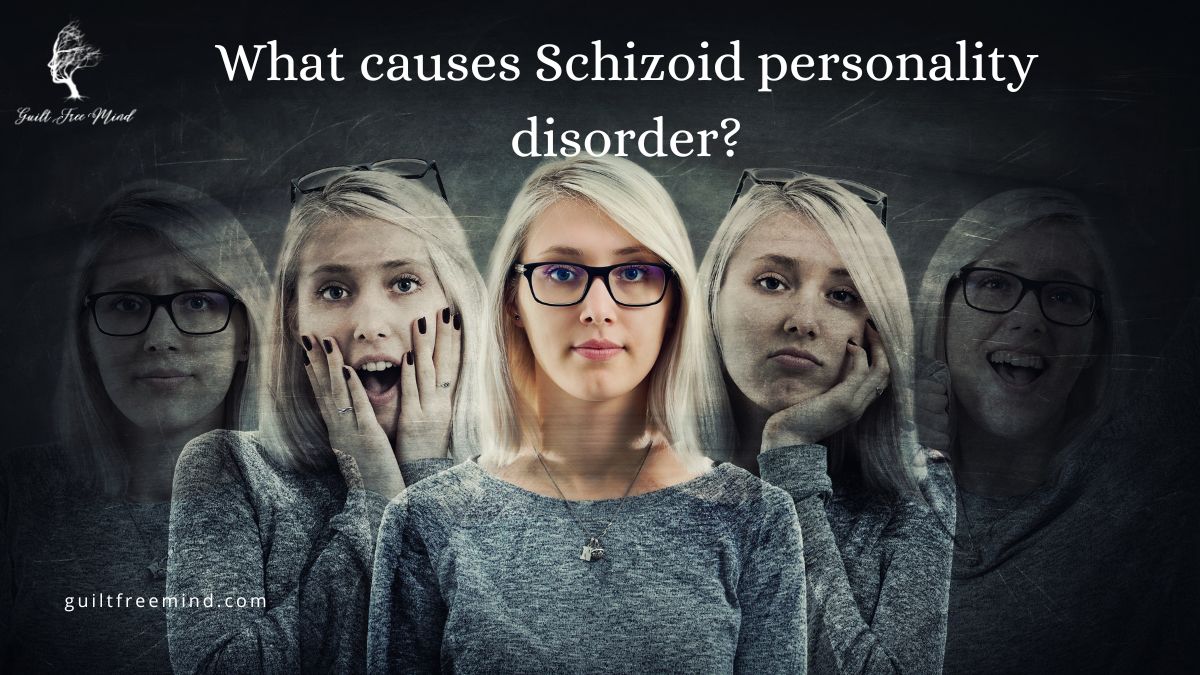
In the case of normal mental development, the child will learn how to interpret the different social cues and the right way to respond to each of them. So far, scientists have not been able to pinpoint the development of schizoid personality. However, there is an indication that this could occur due to genetic and environmental factors coming together. These factors can massively impact on the child’s perception of the world and how his personality develops. They can also be the causative mechanism behind the development of schizoid personality disorder.
Personality disorders.
When people exhibit behavior that does not set into the societal conforms, these personalities and indicated as personality disorders period. Those with personality disorders are unable to lead a fulfilling life and find it difficult to connect to others.
Understanding the causes behind the occurrence of schizoid personality disorder.
As I mentioned before, in the case of a schizoid, the causes have not been printed out in black-and-white. However, the biological factors, nurturing style and circumstances that the person faces can act as huge contributors to the formation of this type of personality disorder. Here are a few reasons that can act as causes behind this form of personality disorder.
Presence of child abuse.
Research has shown that those with schizoid personality disorder have either experienced childhood abuse or neglect. This misbehavior may include the following:
- Physical abuse.
- Verbal abuse.
- Psychological manipulation.
- Sexual abuse.
- Harsh forms of punishment.
- Absence of proper parents and supervision.
- Absence of any form of guidance from the parents
- Having a neglectful, responsive or cold parent
How do these factors cause schizoid personality disorder?
If a child has been abused, during the formative years, the child may learn to associate social interaction with shame, rejection and bullying period. This causes the child to shut himself out against society because the child does not expect anyone to understand him or be nice to him. In the case of those who have suffered sexual abuse during their childhood, they may find it very difficult to feel genuine emotions, and avoid closeness with people due to their traumatic past.
Prenatal risk factors
Congenital or prenatal factors also contribute to this personality disorder. Prenatal risk factors are congenital factors present from the birth of the child. Some of the continental factors that have been identified are:
- Not receiving enough level of calories, while the child was growing in the mother’s room.
- Low birth rate.
- Premature birth of the child.
- Birth before 37 weeks of age.
Biological risk factors behind schizoid personality disorder
Some small studies have linked schizoid traits to differences in brain chemicals such as serotonin, but the evidence is limited and there is no medication that treats the core traits.
Family history matters too: people whose relatives have schizophrenia, schizotypal or schizoid personality disorder have a higher chance of developing it.
Brain injury
Damage to parts of the brain involved in emotion and social processing—such as the frontal lobes or the limbic system—can sometimes produce schizoid-like withdrawal. Clinicians usually describe this as a personality change due to a medical condition rather than schizoid personality disorder itself.
Cultural factors
Culture shapes what counts as “too detached”. Some cultures value privacy, self-reliance and emotional restraint, and people who have moved to a new country may seem withdrawn while they adjust. Clinicians are careful not to mistake these for schizoid personality disorder.
Pin this article for later:
2026 Update: New Insights on Causes – Childhood Maltreatment and Betrayal Trauma
Recent research has deepened our understanding of how early experiences shape schizoid personality traits. Emotional neglect stands out as the strongest predictor of schizoid pathology, even more than physical abuse or other traumas. Studies show emotional neglect in childhood creates a deep association with detachment, leading to restricted affectivity and social withdrawal in adulthood (Stone et al., 2025). For men, emotional and physical neglect plus negative life events link strongly to schizoid traits; for women, emotional abuse plays a bigger role.
Betrayal trauma (when trusted caregivers violate safety) also contributes uniquely. High-betrayal experiences in childhood increase schizoid pathology, especially in men, by reinforcing beliefs that closeness is dangerous (Stone et al., 2025). This fits a common pattern in which repeated emotional unavailability or manipulation taught that relationships bring pain rather than support.
These insights shift the view from “cold” to “self-protective.” Early intervention (e.g., trauma-informed therapy) can prevent escalation, especially when neglect is identified. If this resonates, consider my Creative Healing hub for solitary-friendly tools like journaling or art therapy to rebuild inner safety without forcing social exposure.
Genetic factors
In certain instances, research has also shown that there may be a genetic connection between schizoid personality disorder and schizophrenia.
There have also been similarities seen with the autism spectrum disorder. On this basis, researchers have reached the conclusion that there is a possibility of a link between autism spectrum disorder and schizoid personality disorder in terms of genetics.
Environmental factors
This research also suggests that kids have a higher chance of developing such personality disorder if they are in an environment that does not provide them enough emotional nurture. If the child has grown up in an environment that is neglectful, cold and very detached during the childhood phases, there is a higher chance that such a child may develop schizoid personality disorder later on in life.
Signs and symptoms of schizoid personality disorder.
Schizoid personality disorder has been classified under the personality disorder section in the DSM5. According to the DSM-V manual, a person who displays a skill will show the following symptoms

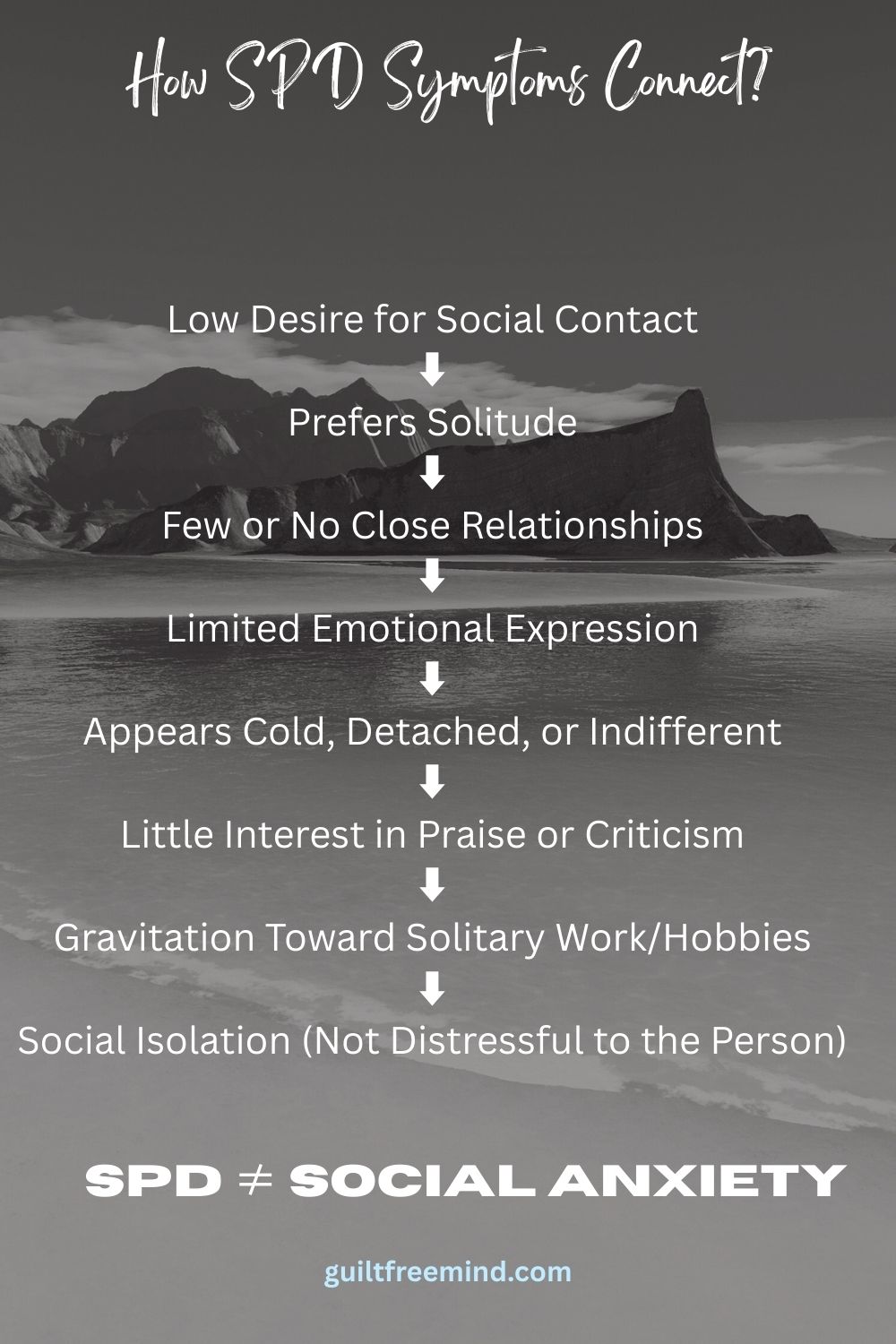
- Does not enjoy or desire any close relationship with anyone.
- Avoid any social activities that involve the person being in contact with other people.
- Has no to little interest in having sexual experiences with another human being.
- Do not like to have close relationships with anyone except for immediate family members.
- Prefer to engage in solitary activities.
- Don’t care about criticism or praise from others.
- Come off as very cold person to others
- Have trouble expressing himself or herself.
- Mood almost always stays stagnant. You never see them happy, excited, sad, or frustrated.
- Find it very hard to gain pleasure in any activity.
- They have no to very little motivation and life goals
Schizoid Personality Traits Quiz 🧠
Instructions: Answer these 12 questions based on your experiences.

⚠️ Disclaimer: This quiz is for educational purposes only, inspired by article themes and DSM-5 criteria—not a diagnosis. If results concern you, consult a licensed therapist.
What type of problems do people with schizoid personality face?
Since these people prefer to keep themselves completely unattached to anyone in society, there is a chance that they may encounter certain problems that arise by never learning to depend on others for anything.

Absence of basic trust.
Their experiences taught them early in childhood that they could depend on no one but themselves. Many people with schizoid traits describe realising, while still young, that the adults around them could not be relied on to care for them—some grew up with parents who were neglectful, intrusive or emotionally unpredictable. This is why they became extremely independent and taught themselves that relying on others is a mistake.
Extremely self-sufficient.
These people grew up with no affection from their parents. Their childhood was a cry for help, and they learned that they couldn’t depend on anyone for any of their needs. This is why those having schizoid personalities are extremely self-sufficient. They try to be as self-reliant and self-dependent as possible. Instead of looking to others for any kind of support or help, they only depend on themselves. They are also extremely private individuals. They do not like sharing any details of their personal life with others. This makes them look as if they are extremely aloof and do not care about anyone. However, the reality is that being this way gives them a higher sense of security.
Dissociation
Since the need to protect themselves arose in childhood, because of their parents, the victims were not able to fight back physically. When the body cannot fight, the mind tries to protect the individual by making them dissociate from the body itself. This way, the child was able to find a safe hideout inside his or her mind while the physical abuse continued. Unfortunately, by the time such people reached adulthood, the constant dissociation had become a part of their persona (Schizophr Bull, 2013).
Dissociation is normal to them. Even if they do not want to, they will still dissociate themselves from people in their surroundings, because that is the only way the brain knows to protect such people. For them, their life is like walking through a black-and-white movie. None of the activities or actions indulge in feeling emotional meaningfulness to them. However, they function because that is what is required of them.
If a person has schizoid personality disorder, they have little desire to establish or maintain personal relationships and may structure their life in a way that allows them to minimize contact with others.
HelpGuide
Social fears
There is one thing that they learned since childhood. It was that no one is trustworthy. Even though what others think about them does not matter, when it comes to engaging in interpersonal interaction, they would not want to be with someone who has a loud voice, a dominating nature, or seems unpredictable. This is born out of a deep need to protect themselves against everyone in their surroundings.
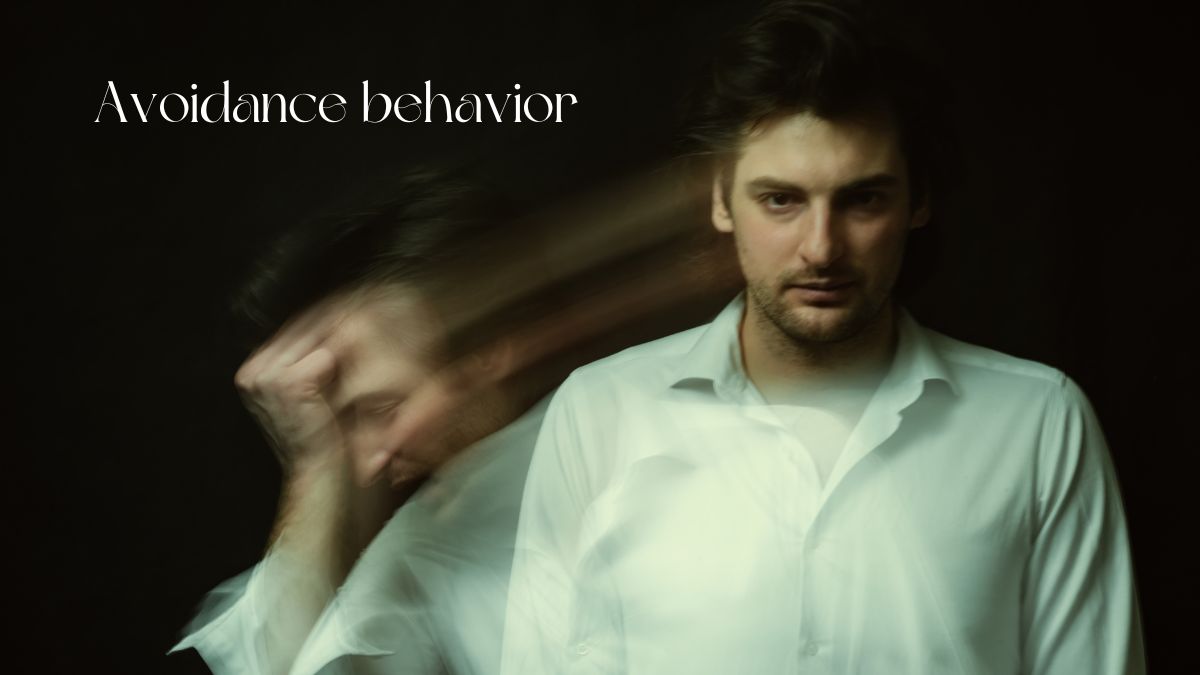
Avoidance behavior.
Most of us have a fight-or-flight response. If things are not going according to us, we would generally prefer to remove ourselves from the situation. However, this behavior is very dominant in those with schizoid personalities. They tend to emotionally and physically distance themselves from their social peers and other people. If they are at a party, they will stick to the fringes. You may also find them stationed closest to the exit so they can make a quick escape whenever needed.
Escape hatches in the relationships
Those with schizoid personalities tend to build up escape hatches in their relationships. This gives them a way to justify why the relationship did not work out and why they should leave. They will either look for a job that involves a lot of traveling or start an affair with someone who is married and not emotionally available. They may try to periodically escape a successful relationship as well. The idea of being completely intimate with someone and sharing the deepest, darkest secret is not ideal for them. They prefer to be in open, no-strings-attached relationships. Most people with schizoid personalities feel trapped and claustrophobic when in a committed relationship.
In and out type of relationships in schizoid personality
One of the very common traits of a schizoid personality involves being in on-and-off relationships. Initially, the schizoid personality will try to love the other person and get their feelings reciprocated. However, the moment the other person starts to reciprocate their feelings and gets intimate, those with schizoid personalities will become scared. They will consciously shut down their feelings. This is an attempt to protect themselves. They will start to look for reasons to leave the relationship.
Once they have left the relationship some time later, their irrational fears will simmer down, and they will start to feel the attraction and love towards that person again. They may also want to restart the relationship. However, the same pattern repeats itself once the other person starts to reciprocate. If such people do not get therapeutic help, chances are that they will loop the other person in an in-and-out relationship.
Narcissistic behavioral patterns.
In most cases, those who are in a relationship with someone who has schizoid personality, think that the person has narcissistic behavioral patterns. One of the behaviors exhibited in the case of schizoid personality is behavior that appears to be superficial. This can hurt the partner. However, the motive of the schizoid is not the same as a narcissist. Narcissists leave the relationship because they are bored, and do not idealize the partner anymore. Narcissists look for validation from their partners. However, those with schizoid personality do not want approval. They leave because they feel claustrophobic and trapped in the relationship. They do not entertain or like the idea of being in control of someone else.
Schizoid vs Narcissistic Personality Disorders
At Guilt Free Mind, we believe understanding these differences empowers you to seek the right support without self-judgment. This table highlights key distinctions based on clinical insights, helping clarify often-confused traits. Remember, these are overviews—professional evaluation is key for accurate understanding.
| Trait/Aspect | Schizoid Personality Disorder | Narcissistic Personality Disorder |
|---|---|---|
| Core Motivation | Detachment and independence; avoids relationships due to trust issues or indifference. | Grandiosity and need for admiration; seeks constant validation and “supply” from others. |
| Social Interactions | Prefers solitude; indifferent to social bonds, appears aloof or emotionally flat. | Craves attention; manipulates or exploits others for ego boost, but lacks genuine empathy. |
| Emotional Expression | Restricted range; hides emotions, no strong reactions to praise or criticism. | Dramatic or superficial; may rage or devalue others if ego threatened. |
| View of Others | Sees others as unsafe or irrelevant; no desire to control or impress. | Views others as sources of supply or threats; often devalues or idealizes based on utility. |
| Relationships | Avoids intimacy; may have fantasy bonds but fears entrapment. | Cycles through idealization and discard; seeks admiration but struggles with true connection. |
| Self-Perception | Often feels empty or dissociated; existential fears of isolation. | Inflated sense of self; fears exposure of inadequacy or “average” status. |
| Common Overlap/Misconception | May appear “narcissistic” due to superficial behavior, but motive is self-protection, not boredom or superiority. | Lacks the schizoid’s true indifference; driven by ego needs rather than avoidance. |
| Treatment Approach | Therapy focuses on building trust and social skills; positive prognosis in solitary lifestyles. | Therapy addresses empathy deficits and grandiosity; often resistant due to denial. |
An elaborate fantasy life
Those people with schizoid personality can substitute real relationships with elaborate fantasy relationships. Unlike what happens in real life, in the case of their fantasies, everything is the way they want. Therefore, fantasy relationships seem safer to them than real ones. In the case of people with schizoid personalities, their fantasy worlds can become so rich and detailed that some channel them into creative work such as writing. Their fantasy is a happy place. Nothing goes wrong in the fantasy. Therefore, such people prefer to stay in their fantasy world more than in the real world.
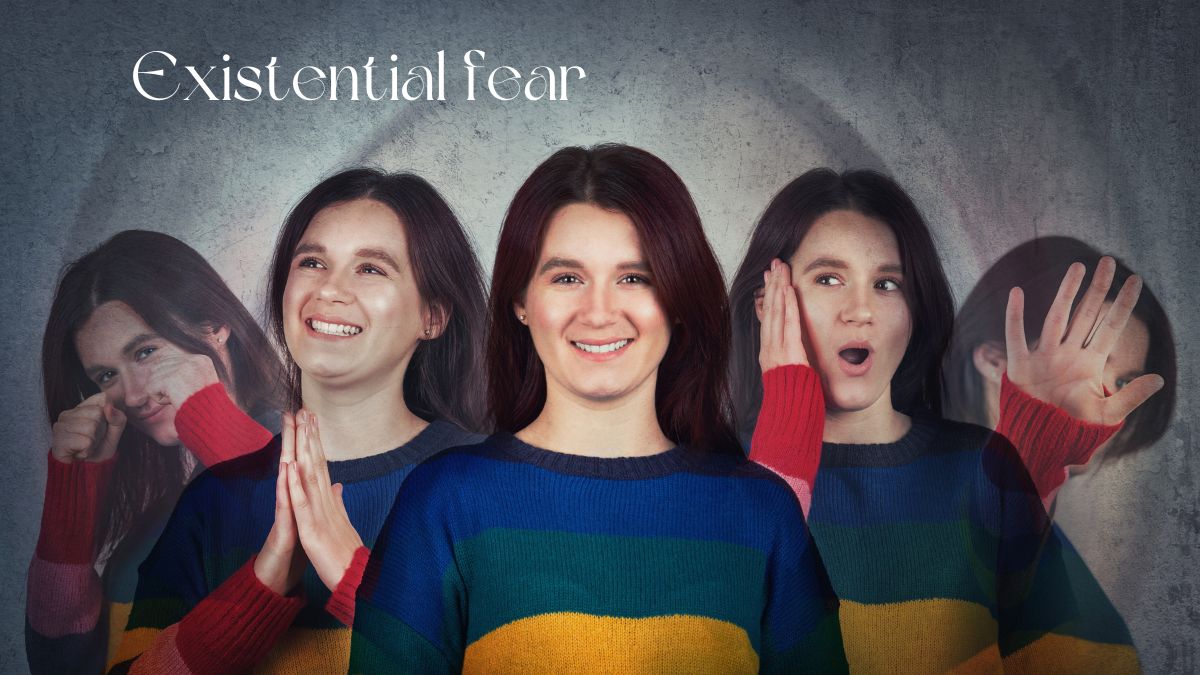
Existential fears.
Such people become extremely preoccupied with the meaninglessness of life and the idea of death. They are afraid of keeping themselves away from others. However, they are also afraid of committing because of all the boundary-breaking that it comes with. They fear that if they keep isolating themselves, one day they will have no connection with any other human being. On the other hand, they fear that after spending a long time in mental isolation, they will not be able to connect. Feelings of emptiness and meaninglessness can sometimes turn into depression or thoughts of suicide. If that is happening to you, please reach out now: in India, call Tele-MANAS on 14416; in the US, call or text 988; in the UK, call Samaritans on 116 123.
Hiding emotional reactions.
Those with narcissistic personality or borderline personality disorder tend to publicly attack others when they feel cornered or scared. However, those with schizoid personalities will avoid this confrontation at all costs. Such people do not give enough importance to others, so their opinions cannot make a dent in their psyche. Schizoid personality people do not look for approval from others. Praise is meaningless to them. Therefore, they try to handle all aspects of their lives on their own. They do not want others involved in their problems.
Psychologist Peter Chadwick, describing his own schizoid personality before a later psychotic episode, wrote of an inner life that felt drained of colour and feeling (Chadwick, Schizophrenia Bulletin, 2014).
Lack of object constancy and whole object relations.
Another common characteristic of those with schizoid is that they tend to lack whole object relations and object constancy. This is a common trait that is observed in the case of most personality disorders.
Object relations.
Object relation is the ability of one to see themselves in a relatable, realistic, and relatively integrated way that contains qualities that are both disliked and liked at the same time. This means excepting others to have a mixed bag of good and bad qualities. On the other hand, object constancy is the specific ability of a person to maintain relations with those objects/persons, even when you feel disappointed, angry, or physically distant from the said person.
When there is an absence of object relations and object constancy, people view others as either being completely bad or completely good. Since no one is completely good, most people end up falling into the completely bad aspect. For those with schizoid, this would be the unsafe version.
Pin this article for later:
Diagnosis of personality disorder.
Schizoid personality is one that continues to develop from the time they are a toddler and into adulthood. This is why healthcare providers do not try to diagnose schizoid personality disorder before the person reaches 18 years of age. After 18 years, the personality stabilizes. This is when the diagnosis can be made.
Diagnosis of schizoid personality disorder is typically conducted by a mental health professional, who may use interviews, psychological assessments, and diagnostic criteria outlined in the DSM-5. Diagnosis focuses on long-standing patterns of social detachment and restricted emotional expression.
What happens when a person with schizoid personality disorder visits a psychologist?
In case the psychologist suspects that the patient has a case of schizoid personality disorder, they will ask questions that will specifically focus on shedding light on the person’s:
- Relationship history.
- Childhood history
- Reality testing and
- Work history
Since the person who has the disorder may not even realise that they have a personality disorder, the psychologist or psychiatrist may have to work with the person’s, relatives and family members to collect more information about their behavioral history.
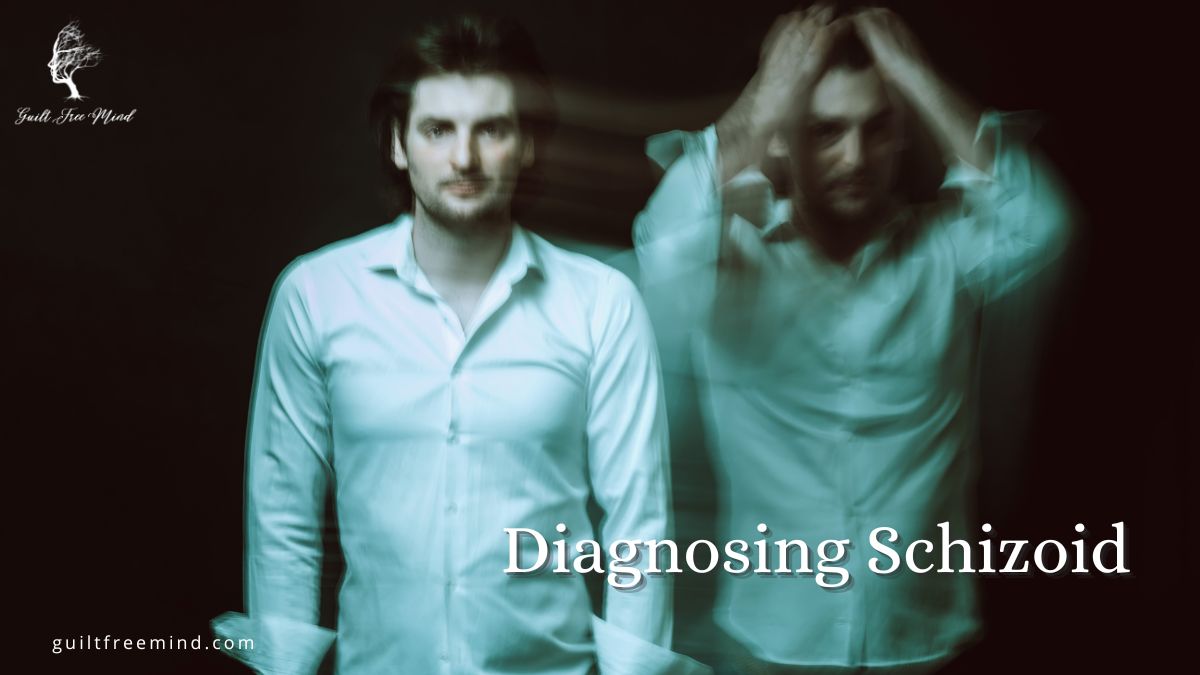
Diagnosis of the disorder is based on the DSM-V manual. After consulting with other family members and relatives, the psychologist will note down the signs and symptoms and tally them with the details provided in the DSM-V to identify if it matches with schizoid personality disorder.
Understanding the differences between schizoid, schizotypal, and schizoaffective disorders is crucial for accurate diagnosis and effective treatment planning.
Schizoid, Schizotypal, and Schizoaffective Disorders: Key Differences
While schizoid, schizotypal, and schizoaffective disorders share some overlapping features, they differ significantly in symptoms and severity:
- Schizoid Personality Disorder: Primarily involves emotional detachment and a limited need for relationships.
- Schizotypal Personality Disorder: Includes social anxiety, odd beliefs, and eccentric behaviors.
- Schizoaffective Disorder: Combines symptoms of mood disorders, such as depression, with psychotic symptoms like hallucinations or delusions [4].
How to identify if you are suffering from schizoid personality disorder
Psychologists still know relatively little about schizoid personality disorder, partly because people who have it rarely seek help. If others often describe you as a loner or detached, these questions may help you reflect—but only a mental health professional can make a diagnosis:
- Do you avoid close relationships because feeling safe matters more to you than sharing your life with someone?
- Do you prefer solitary hobbies (reading, exercising alone, video games) and jobs with little contact, such as remote work or night shifts?
- At social gatherings, do you stay on the edges—or avoid them altogether?
- Do you have little interest in sex, or keep relationships casual and leave once they become serious?
- Do you build detailed imaginary relationships, but rarely approach the person you like?
- Is it hard for you to feel excitement or joy, as if life is a stream flowing past you?
- Do you have few or no confidants outside your immediate family, and bond more easily with animals?
- Are you largely unaffected by praise or criticism?
Introvert or schizoid? Introverts need time alone because socialising drains them, but they still have a few close friends they value. People with schizoid personality disorder usually do not want close friendships at all, and may confide in no one outside their immediate family.
If several of these sound familiar and they cause you distress, please talk to a mental health professional rather than relying on what you read online—including this article.
Schizoid personality disorder and other disorders: overlapping symptoms.
Personality disorders are hard to diagnose. This is because it shows many overlapping symptoms with other forms of mental illnesses. The other personality disorder also shows certain common signs like isolation and social confusion. These factors usually complicate the diagnosis.
Schizoid vs Schizotypal vs Autism Spectrum Disorder
Empowering yourself starts with accurate knowledge—many confuse these due to social overlaps, but recognizing differences can guide better support. This table draws from clinical comparisons to highlight distinctions without stigma. Always consult a professional for personalized insights.
| Trait/Aspect | Schizoid Personality Disorder | Schizotypal Personality Disorder | Autism Spectrum Disorder |
|---|---|---|---|
| Core Features | Emotional detachment, preference for solitude, restricted affect; no odd beliefs. | Eccentric behavior, magical thinking (e.g., superstitions), paranoia or ideas of reference. | Social communication challenges, repetitive behaviors, sensory sensitivities; often with restricted interests. |
| Social Motivation | Low interest in relationships; avoids due to indifference or trust issues. | Discomfort in close bonds; odd perceptions lead to isolation, but may desire connection oddly. | Difficulty understanding social cues; may want relationships but struggle with reciprocity or sensory overload. |
| Emotional Expression | Flat or hidden emotions; indifferent to praise/criticism. | Fluctuating or anxious; may have bizarre emotional responses. | Varied; can be intense internally but masked or misunderstood externally (e.g., meltdowns). |
| Cognitive/Perceptual | No delusions; reality-based but dissociated (e.g., “black-and-white” life). | Odd beliefs, illusions, or transient psychosis-like ideas without full breaks from reality. | Literal thinking, strong pattern recognition; no magical thinking, but possible co-occurring anxiety. |
| Onset & Recognition | Often noticed in adulthood; often linked to early emotional neglect. | Evident in early adulthood; linked to schizophrenia spectrum, with oddities from childhood. | Diagnosed in childhood; developmental, with signs like delayed speech or sensory issues from infancy. |
| Common Overlaps | May co-occur with ASD (e.g., higher schizoid traits in ASD, Cohen’s d=2.3). | Shares spectrum with schizophrenia; more florid quirks than schizoid. | Overlaps with schizoid in social withdrawal but differs in motivation (sensory vs. indifference). |
| Treatment Focus | Therapy for trust-building and skills; positive in low-social roles. | CBT for odd thoughts; meds if psychotic features; addresses paranoia. | Behavioral therapies (e.g., ABA, social skills); accommodations for sensory needs; neurodiversity-affirming. |
Autism spectrum disorder
Autism spectrum disorder is one that mostly affected a persons ability to properly communicate with others and their social skills. At times, this can make a person extremely sensitive to specific stimuli like sound or light. Those with ASD may even try and avoid eye contact with others. They might seem to be lost in an inner world of their own.
Complex post-traumatic stress disorder.
cPTSD occurs when a person has been through repeated and long-term trauma like constant child abuse, sexual assault, war, etc. These people have a very crucial need to isolate themselves from others. They also start to feel detached from their surroundings and their immediate family members.
Other type A personality disorders
One of the personality disorders is paranoid personality disorder. A person with this type of personality disorder does not form relationships because of their constant anger and irrational suspicions towards the other person.
Schizotypal personality disorder.
In this case, the person is primarily afraid of any physical intimacy. Therefore, they avoid getting close to another person in the fear of intimacy. This disorder also includes additional symptoms like confusing communication, and eccentric behaviour.
Schizophrenia versus schizoid personality disorder.
A lot of the time, schizoid personality disorder, get confused with schizophrenia. In this section, we will identify how are the two different to each other.
A person who is suffering from schizophrenia experiences a combination of common delusions, hallucinations, and extremely disorganized thinking and behaviour that impairs their daily functioning.
In the case of schizoid personality disorder, there are no hallucinations, delusions or total loss of reality. Furthermore, the problem does not affect their daily functioning. They can go on life as a normal person. They just do not feel a connection to life as a normal person.
Social anxiety disorder vs schizoid personality disorder.
Social anxiety disorder or social phobia is a condition where the person finds it extremely difficult to even walk past other people. They are constantly afraid of what others are thinking about them. In order to cope with this fear, they avoid being a part of any social interaction as much as possible.
Social anxiety disorder is completely different from schizoid personality disorder. People who have schizoid do not care what others think of them. This is because they are constantly disconnected and disinterested in other’s thoughts about them. They have no problems with being in social settings. They just do not like being a part of groups. However, they do not feel connected with others enough to let the judgement of others have an impact on them.
When should you consult a therapist?
If you are:
- Constantly frustrated with feelings of dissociation, emotional detachment, and loneliness.
- Finding it impossible to navigate through your distress and loneliness alone.
It is a sign to consult a therapist who is trained in identifying personality disorders. Your therapist will first work with you to diagnose the cause of your behavior. After that, they will work with you to build social skills that can help you integrate better into society. They will also provide coping strategies so that you can manage your emotional distress (Apollo Hospitals).

A correct diagnosis can make the therapy extremely valuable to you. This way, you will feel more successful and less alone. The one thing that matters most in the case of those having schizoid personalities is getting the support they need to live their lives to the fullest. Once the correct diagnosis has been done, you can lead a more positive and fulfilling life.
How can the therapist help?
- A good therapist can help you understand how to set the boundaries that increase your safety feeling.
- Practice how to express emotions and reference others in a way that is not hurtful to them.
- Work through your past experiences and, so that your today and tomorrow can be more meaningful.
- Build up your social skills so that you feel more comfortable interacting with others.
- Make you realize what whole object relations are. This way, you will be able to recognize others and yourself as a part of an integrated society (Help Guide).
- If you want to start interacting with others who face a similar issue as yours, group therapy might be another amazing option for you.
- Other complementary therapies like, bodywork, can also be an immense help in making you feel less detached from your own body (Cleveland Clinic).
Treatment options for schizoid personality disorder.
Medication.
There is no medication for schizoid personality disorder itself. Doctors may prescribe medicines for problems that sometimes come with it, such as depression or anxiety.
Group activities.
Group activity is an amazing way to develop connections with others and bond with other human beings. Sometimes, in these group meetings, patients may also open up and discuss their inability to meet the emotional needs of others.
Therapy
In most cases, those who have schizoid are not open to getting therapy. This is because they do not desire personal connection with anyone. If they go in for psychodynamic therapy, it can help immensely.
Therapy options are available for people with schizoid personality disorder.
Updated 2026 Treatment Approaches for Schizoid Traits
While no cure exists, 2025–2026 research highlights psychosocial interventions for Cluster A disorders, including schizoid. Long-term individual therapy remains the most effective, focusing on building trust slowly, respecting boundaries, and avoiding pressure for rapid emotional disclosure (Cheli et al., 2025). Schema therapy and mentalization-based treatment help address detachment without confrontation.
Pharmacological options are limited; medications target co-occurring symptoms like depression or anxiety rather than core traits (Torrico & Madhanagopal, 2026). SSRIs or low-dose antipsychotics may reduce emotional numbness in some cases, but evidence is preliminary.
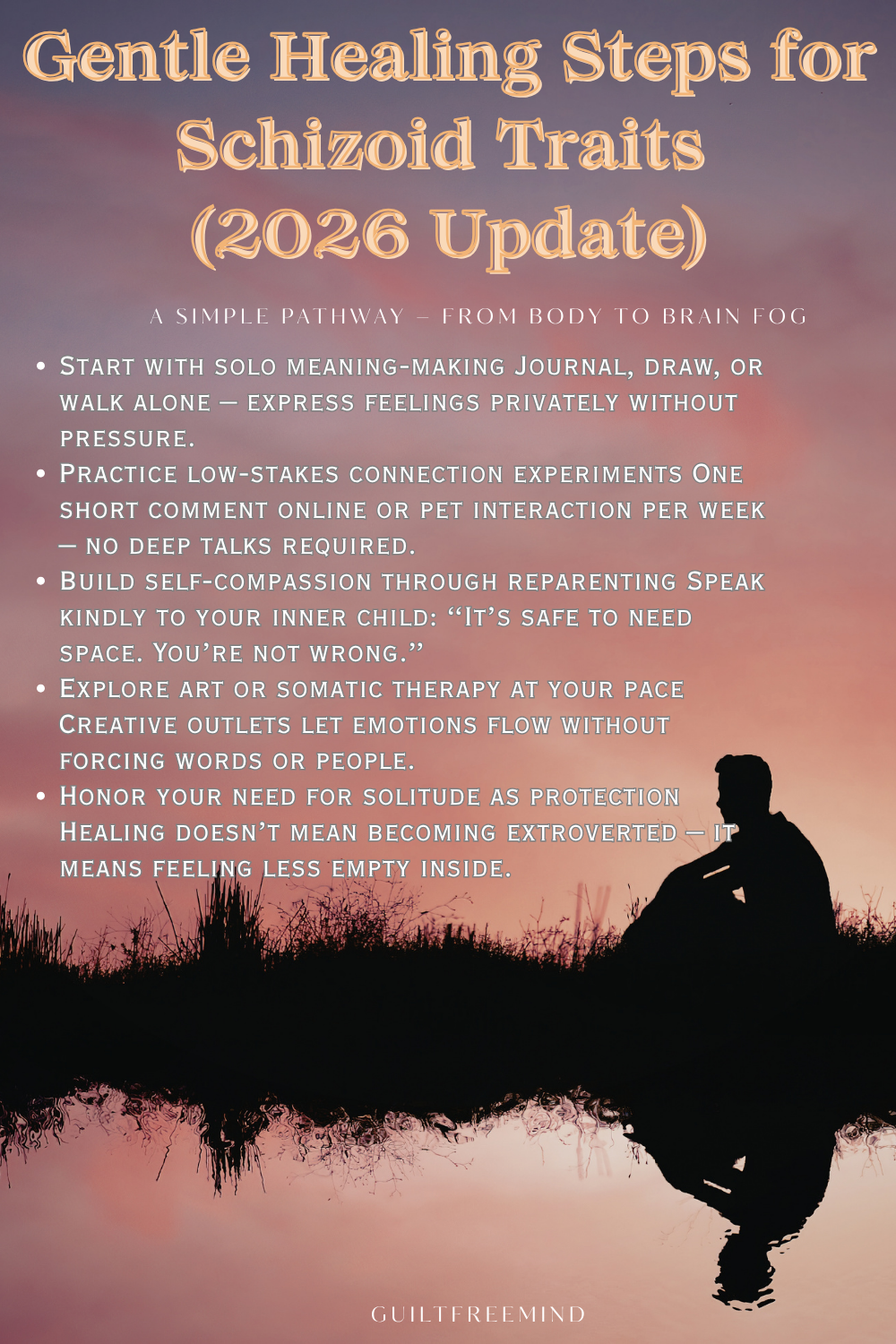
Self-help steps include solitary meaning-making (art, journaling) to express feelings privately, followed by low-stakes experiments (brief chats, pet bonding). The goal isn’t extroversion – it’s reducing inner emptiness when desired. Early focus on childhood patterns (neglect, betrayal trauma) improves outcomes.
Family therapy.
In most cases, those with schizoid personality disorder go for treatment under the advisement of their family members. In certain cases, family therapy can be useful. This form of therapy can help family members understand how to deal with the person, which way to act, what behaviour should be avoided, what to do if the person behaves in a certain manner etc.

Cognitive behavioral therapy (CBT)
Cognitive behavioural therapy is an extremely structured goal-oriented therapeutic format. Usually in this therapy, the psychologist or psychiatrist will ask the patient to have a closer look at their thought patterns and analyse them to understand how their thoughts are having a direct effect on their emotions. In case of those having schizoid personality disorder, the therapist will work with the patients to help them understand the perceptions and expectations that the person has and help them change their thought patterns.
Understanding the prognosis of schizoid personality.
Estimates of how common schizoid personality disorder is vary widely between studies—from under 1% to about 5% of adults—and it is diagnosed slightly more often in men. People with schizoid personality disorder often lead lives they are reasonably satisfied with, and compared with many other personality disorders they are less likely to experience depression and anxiety, especially when they work from home or in jobs that do not demand constant social contact (MSD Manual).
Conclusion
Those with schizoid personality disorder prefer to be isolated. They do not find pleasure in any form of physical interaction and their emotional reaction range is very limited. This disorder generally does not affect a person’s desire to live. However, the overall absence of motivation and a negative viewpoint of people can make it difficult for the person to lead a normal and fulfilling life. It can also boost the risk of suicide in certain severe cases.
Diagnosis of this personality can be difficult since the person tends to isolate themselves. Personal and cultural environment also has a role to play in understanding if the person suffering from this form of behavioural problem.
Even though there are no specific treatments for this disorder, therapies available to manage the symptoms. medicine, group activities, and family therapy can help the person lead a more fulfilling and positive life.
Address your queries
If you have any queries about this blog, post or any other on Guilt Free Mind, feel free to reach out to me through the Get In Touch page. If you like watching videos, please subscribe to Guilt free Mind’s YouTube channel. Do not forget, to ring the notification bell. If you wish to stay updated about the new blog posts, please subscribe to the blog. The option is present in the sidebar.
Have you met anyone having schizoid personality disorder? If your answer is yes, you must approach a psychologist or psychiatrist. This mental health problem must never be ignored. It can be very debilitating in the future. Therefore, start on therapy quickly.
See you in the next blog post.
Dr Shruti
Frequently Asked Questions
Yes. It is a recognised personality disorder in the DSM-5, in the odd or eccentric group (Cluster A). People with SPD show a long-standing pattern of detachment from relationships and a limited range of emotional expression.
The exact cause is unknown. Genes appear to play a modest role, and childhood emotional neglect is one of the strongest environmental risk factors found so far. A family history of schizophrenia-spectrum conditions also raises the risk.
There is no cure, but therapy that respects the person’s need for distance can reduce loneliness and help with any depression or anxiety. Many people with SPD live stable, satisfying lives.
No. People with schizoid personality disorder do not have hallucinations, delusions or a loss of contact with reality. They are detached from relationships but think clearly.
Many people describe a calm but distant, almost dream-like existence. They often do well in independent work, but some struggle with emptiness, loneliness or existential worries. Therapy can help build connection if and when the person wants it.
Be patient and avoid pushing for closeness. Respect their need for space, connect over shared neutral interests, and gently suggest professional support if they seem to be struggling. Look after your own support needs too.
Both involve social withdrawal, but schizotypal personality disorder also includes odd beliefs, magical thinking, suspiciousness and eccentric speech or behaviour, and is more closely linked to schizophrenia. People with schizoid personality disorder are detached but not odd in their thinking.
About the Author
Dr. Shruti Bhattacharya is the founder and heart of Guilt Free Mind, where she combines a Ph.D. in Immunology with advanced psychology training to deliver science-backed mental health strategies. Her mission is to empower readers to overcome stress, anxiety, and emotional challenges with practical, evidence-based tools. Dr. Bhattacharya’s unique blend of expertise and empathy shapes her approach to wellness:
- Academic & Scientific Rigor – Holding a Ph.D. in Immunology and a Bachelor’s degree in Microbiology, Dr. Bhattacharya brings a deep understanding of the biological foundations of mental health, including the gut-brain connection. Her completion of psychology courses, such as The Psychology of Emotions: An Introduction to Embodied Cognition, from University of Cambridge enhances her ability to bridge science and emotional well-being.
- Dedicated Mental Health Advocacy – With over 15 years of experience, Dr. Bhattacharya has supported hundreds of individuals through online platforms and personal guidance, helping them navigate mental health challenges with actionable strategies. Her work has empowered readers to adopt holistic practices, from mindfulness to nutrition, for lasting resilience.
- Empathetic Connection to Readers – Known for her compassionate and relatable voice, Dr. Bhattacharya is a trusted guide in mental health, turning complex research into accessible advice. Her personal journey as a trauma survivor fuels her commitment to helping others find calm and confidence.
- Lifelong Commitment to Wellness – Dr. Bhattacharya lives the principles she shares, integrating science-based habits like balanced nutrition and stress management into her daily life. Her personal exploration of mental health strategies inspires Guilt Free Mind’s practical, reader-focused content.
🏆 Guilt Free Mind was named one of the Top 100 Mental Health Blogs on Feedspot in 2025.

Follow me on:
Disclaimer
The information on Guilt Free Mind is provided for educational and self-help purposes only. It is not intended to be a substitute for professional medical advice, diagnosis, or treatment.
Mental health topics can be deeply personal and complex. While I share evidence-based insights, personal reflections, and strategies that have helped many people (including myself), every individual’s experience is unique. What works for one person may not work for another.
References
- American Psychiatric Association. (2022). Diagnostic and statistical manual of mental disorders (5th ed., text rev.).
- Chadwick, P. K. (2014). Peer-professional first-person account: Before psychosis—Schizoid personality from the inside. Schizophrenia Bulletin, 40(3), 483–486. Read on PMC
- Cheli, S., et al. (2025). Psychosocial and pharmacological interventions for cluster A personality disorders: A systematic review and two exploratory meta-analyses. Personality Disorders: Theory, Research, and Treatment, 16(6), 589–602. DOI
- Cleveland Clinic. Schizoid personality disorder. Read
- Cook, M. L., Zhang, Y., & Constantino, J. N. (2020). On the continuity between autistic and schizoid personality disorder trait burden: A prospective study in adolescence. The Journal of Nervous and Mental Disease, 208(2), 94–100.
- HelpGuide.org. Schizoid personality disorder.
- Psychology Today. Schizoid personality disorder. Read
- Stone, S. N., Newcomb, K. M., & Yalch, M. M. (2025). Influence of childhood maltreatment on schizoid personality pathology. Journal of Trauma & Dissociation, 26(3), 347–356.
- Torrico, T. J., & Madhanagopal, N. Schizoid personality disorder. In StatPearls. StatPearls Publishing. Read
- Zimmerman, M. Schizoid personality disorder (ScPD). MSD Manual Professional Version. Read

3 Comments
I have been browsing online more than three hours today, yet I never found any interesting article like yours. It is pretty worth enough for me. In my view, if all website owners and bloggers made good content as you did, the internet will be a lot more useful than ever before.
Normally I do not read article on blogs, however I would like to say that this write-up very forced me to try and do so! Your writing style has been amazed me. Thanks, quite great post.
I think you have noted some very interesting points, thanks for the post.