

This article is for information only and isn’t a substitute for advice from your doctor or mental health professional.
Table of Contents
Quick Answer
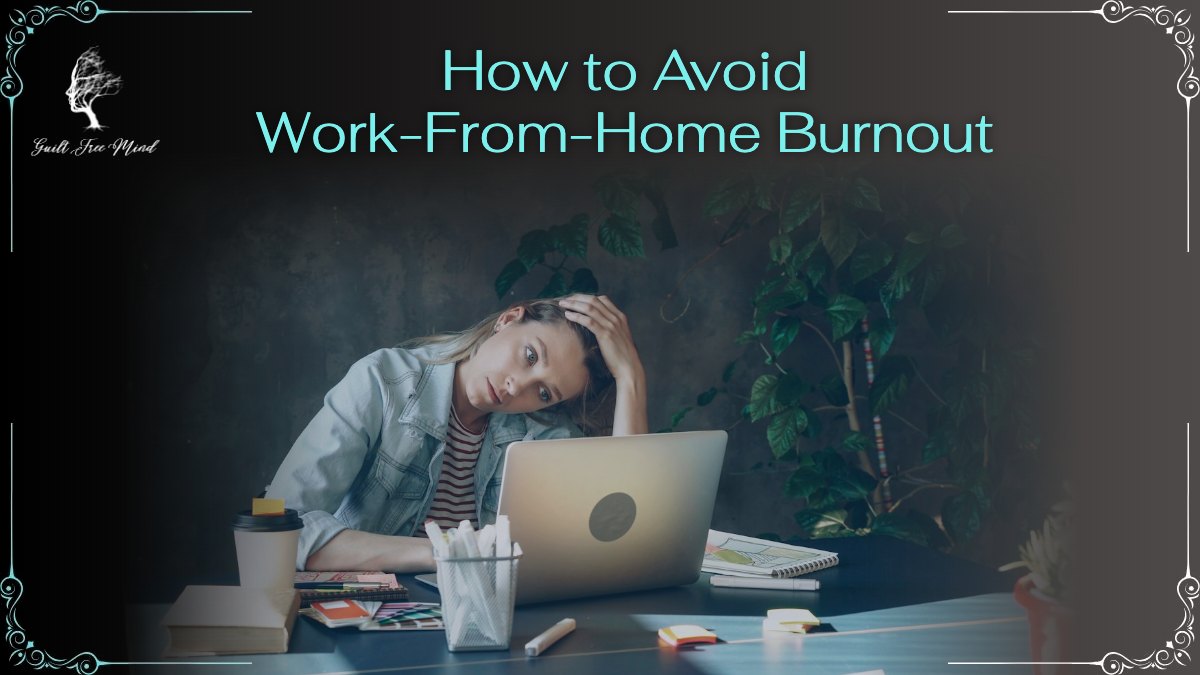
Work from home burnout is ordinary job burnout (exhaustion, feeling detached or cynical about work, and feeling less effective) that is triggered or made worse by remote work. The usual culprits are blurred lines between work and home, longer hours, messages after hours and isolation. Prevention comes down to clear boundaries: a steady routine, a separate workspace, real breaks, switching off after work, staying connected with people and protecting your sleep.
There are many good things about working from home. You don’t have to bother about a dress code, you lose no time commuting, and you have more freedom over where and how you work. Some people have embraced it and love it. Others find that once the initial excitement wears off, the line between office time and home time disappears, the workday stretches into the evening, and stress quietly builds into burnout.
If that sounds familiar, you are not alone, and it isn’t a sign that you are bad at your job. In this post, I’ll explain what work from home burnout is, the signs to look out for, why remote work can wear you down, and 15 practical ways to prevent it. If you want to understand the wider psychological effects of remote work first, read the psychological effects of working from home.
What Is Work From Home Burnout?
The World Health Organization describes burnout as a syndrome caused by chronic workplace stress that hasn’t been successfully managed. It has three parts: exhaustion, feeling mentally distant or cynical about your job, and feeling less effective at work. WHO calls it an occupational phenomenon, not a medical condition (WHO, 2019).
“Work from home burnout” isn’t a separate diagnosis. It is the same burnout, with triggers that are specific to working where you live. For the full picture, including how burnout differs from stress and depression, see my guide to burnout symptoms: 15 signs of burnout and how to recover.
Signs of Work From Home Burnout
Burnout usually creeps in slowly. Watch for:
- Tiredness that doesn’t lift after a weekend or a day off
- Dreading opening your laptop in the morning
- Feeling detached, cynical or irritable about work
- Trouble concentrating, or taking longer to do simple tasks
- Working later and later, or checking messages at all hours
- Feeling that you are never really “off”
- Snapping at the people you live with
- Headaches, neck or back pain from long hours at the desk, and poor sleep
Noticing several of these for weeks at a time is a signal to change something, not to push harder.
Why Working From Home Can Lead to Burnout
Work and home blur together
When the office is also your living room, it is hard to know when work ends. A review of 23 studies on working at home found that its effect on health depended strongly on support from the organization and colleagues, social connection outside work, and how much work spilled into family life. Women were less likely than men to see their health improve when working at home (Oakman et al., 2020).
Always on: messages after hours
Phones and laptops make it easy to keep “just checking.” In a diary study of employees who used work smartphones, more smartphone use after work went with more work–home interference, and the link between that interference and burnout symptoms was stronger in heavy users. Mentally switching off and relaxing in the evening helped protect them (Derks & Bakker, 2014).
Isolation and missing your colleagues
The small chats at the coffee machine matter more than we think. In a study of 261 teleworkers and their managers, feeling professionally isolated was linked to lower job performance, and the effect grew with the amount of time spent teleworking. More face-to-face contact and good communication tools reduced it (Golden et al., 2008).
Long hours at the desk
At home there are fewer reasons to get up: no walk to a meeting, no colleague to chat with. Long, unbroken hours of sitting add physical strain (pain was one of the health outcomes in the review above) on top of mental fatigue.
None of this means remote work is bad in itself. A major review found that results depend a lot on how much people work from home (Allen et al., 2015), and in a large randomized trial, a hybrid schedule improved job satisfaction and cut quit rates by a third without hurting performance (Bloom et al., 2024). The goal is to keep the benefits while protecting yourself from the downsides.
15 Ways to Prevent Work From Home Burnout
1. Keep a steady routine
When you go to an office, your day has a shape: a time to wake up, a commute, a time to arrive. Working from home, all of that can go out of the window, with work stretching late into the night and mornings starting late. Choose a regular start and finish time and stick to it most days. A pattern helps you manage your time and leaves room for family and rest.
2. Open and close your workday with a ritual
Start the day with something that gets you ready, such as a short walk, a few stretches, or a few pages of a book with your tea or coffee. End it with a ritual too: shut the laptop, put your work things away, and go for an evening walk or call a friend. These rituals stand in for the commute that used to separate work from home.
3. Wake up at the same time
Set your alarm as if you were going to the office. You can sleep a little later because there is no commute, but aim to be ready by the time you would have reached your desk.
4. Take a real lunch break
Eat at roughly the same time each day, away from your desk. Don’t take calls or join meetings during lunch, and keep your phone and laptop out of sight.
5. Take short breaks through the day
Work in focused blocks (a timer helps) and then step away for a few minutes. A meta-analysis of 22 study samples found that short micro-breaks gave a small boost to energy and reduced fatigue; for very demanding work, longer breaks may be needed (Albulescu et al., 2022). Breaking big tasks into smaller pieces, and rewarding yourself with a coffee or a walk when you finish one, keeps motivation up. These time-management tips can help you plan the blocks.
6. Move your body
Long hours in one position are behind a lot of neck and back pain. Stand up between tasks, stretch, walk around the house or the block, or try a few minutes of progressive muscle relaxation to release tension.
7. Get outside for fresh air and daylight
During your longer breaks, step out of the house. Walk around the block or go to a nearby park. A change of scene helps you reset and come back fresher.
8. Prioritize your tasks
If you are unsure what to do first, ask your manager and start with what has the nearest deadline. Finishing work a little ahead of time stops it piling up into late nights, and if you tend to polish everything endlessly, read about perfectionism and its side effects.
9. Set up a dedicated workspace
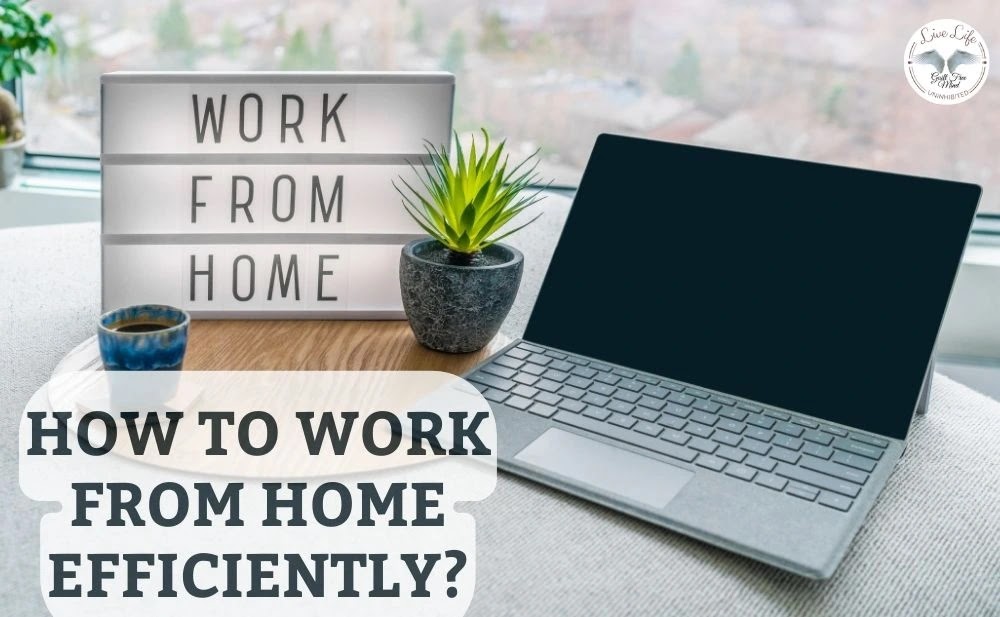
Try not to work from your bed. A separate room is ideal, but a corner of a room with only work things in it also works. A dedicated space helps your mind switch into work mode, and just as importantly, switch out of it when you leave.
10. Cut down distractions
Silence apps you don’t need for work while you focus. If your home is noisy, noise-cancelling headphones or calm background music can help.
11. Switch off after work
This may be the most important tip. Turn off work notifications at the end of the day and resist “just checking.” Psychologically detaching from work in your free time is one of the key ways people recover from work stress (Sonnentag & Fritz, 2007), and a meta-analysis of more than 38,000 employees linked it to less exhaustion, better sleep and greater well-being (Wendsche & Lohmann-Haislah, 2017).
12. Stay connected with people
If you feel lonely working from home, keep in touch with friends and colleagues. Schedule regular video calls, keep a group chat going, and meet in person when you can. Friends form a supportive community that helps keep burnout away.
13. Learn to say no
Saying no is hard for many of us, especially to people in authority. But it is okay to decline requests that would overload you. Boundaries matter whether you work from home or an office. Here are 16 ways to learn to say no.
14. Protect your sleep
It is tempting to stay up late and wake up late when there is no commute. Keep a regular bedtime, switch off screens about an hour before bed, and build a wind-down routine. If sleep is a struggle, try these 16 tips to improve sleep quality.
15. Practice self-care and be kind to yourself
Self-care is often the first thing to go when work takes over home. Find what works for you, whether that is meditation, reading, yoga, a hobby, music, time with family or playing with your pup. And go easy on yourself: you can’t be productive every day, and some days doing the bare minimum is enough. For ideas, see these self-care journal ideas.
Already Burned Out?
If you are already exhausted, prevention tips may not be enough on their own. Talk to your manager or HR about your workload and expectations, especially around hours and after-hours messages. Rest needs to be real rest, not catching up on chores. My post on burnout symptoms and how to recover walks through research-backed recovery steps.
When to Get Help
See your doctor or a mental health professional if exhaustion lasts for weeks despite rest, if you feel hopeless or numb, or if work stress is affecting your sleep, health or relationships. Burnout can overlap with depression and anxiety, which are treatable.
If you are struggling or having thoughts of harming yourself, please reach out now: in the US, call or text 988; in India, call Tele-MANAS on 14416 (or 112 in an emergency); in the UK and Ireland, call Samaritans on 116 123.
Keep Reading on Guilt Free Mind
- Burnout Symptoms: 15 Signs of Burnout and How to Recover
- The psychological effects of working from home
- 3 mental health tips for working from home
- Work-life balance strategies
- Combat everyday stress: 25 strategies
- Productivity loss: how to get back on track
- 16 tips to improve sleep quality
- Learn to say no: 16 ways
Final Thoughts
Working from home comes with real perks and real pitfalls. If you are running on empty, it isn’t a personal failure; it is a sign that something about how you are working needs to change. Pick two or three tips from this list, try them for a couple of weeks, and notice what shifts.
Feel free to ask your questions in the comments section. I will be happy to help. If you found this post useful, subscribe to the Guilt Free Mind newsletter so new articles land straight in your inbox.
See you in my next blog post,
Shruti
Frequently Asked Questions
It is burnout (exhaustion, feeling detached or cynical about work, and feeling less effective) that is triggered or made worse by remote work, through blurred boundaries, longer hours, constant messages and isolation.
Common signs include tiredness that doesn’t lift after a weekend, dreading logging on, feeling cynical about work, trouble focusing, working later and later, irritability, poor sleep, and aches from long hours at a desk.
Keep a steady routine with clear start and finish times, take short breaks and a real lunch break, move and get outside, keep a separate workspace, switch off work notifications after hours, stay in touch with people and protect your sleep.
Not in itself. Research is mixed: outcomes depend on support from your employer and colleagues, social connection and how much work spills into home life. In one large trial, hybrid working improved job satisfaction without hurting performance.
If exhaustion lasts for weeks despite rest, you feel hopeless, or work stress is affecting your sleep, health or relationships, talk to your doctor or a mental health professional. In a crisis, call or text 988 in the US, Tele-MANAS 14416 in India or Samaritans 116 123 in the UK.
About the Author
Dr. Shruti Bhattacharya is the founder and heart of Guilt Free Mind, where she combines a Ph.D. in Immunology with training in psychology to deliver science-backed mental health strategies. Her mission is to empower readers to overcome stress, anxiety, and emotional challenges with practical, evidence-based tools. Dr. Bhattacharya’s unique blend of expertise and empathy shapes her approach to wellness:
- Academic & Scientific Rigor – Holding a Ph.D. in Immunology and a Bachelor’s degree in Microbiology, Dr. Bhattacharya brings a deep understanding of the biological foundations of mental health, including the gut-brain connection. Her completion of psychology courses, such as The Psychology of Emotions: An Introduction to Embodied Cognition, enhances her ability to bridge science and emotional well-being.
- Dedicated Mental Health Advocacy – With over 15 years of experience, Dr. Bhattacharya has supported hundreds of individuals through online platforms and personal guidance, helping them navigate mental health challenges with actionable strategies. Her work has empowered readers to adopt holistic practices, from mindfulness to nutrition, for lasting resilience.
- Empathetic Connection to Readers – Known for her compassionate and relatable voice, Dr. Bhattacharya is a trusted guide in mental health, turning complex research into accessible advice. Her personal journey as a trauma survivor fuels her commitment to helping others find calm and confidence.
- Lifelong Commitment to Wellness – Dr. Bhattacharya lives the principles she shares, integrating science-based habits like balanced nutrition and stress management into her daily life. Her personal exploration of mental health strategies inspires Guilt Free Mind’s practical, reader-focused content.
🏆 Guilt Free Mind was named one of the Top 100 Mental Health Blogs on Feedspot.

Disclaimer: This content is for informational purposes only and is not a substitute for professional medical advice.
References
- Albulescu, P., Macsinga, I., Rusu, A., Sulea, C., Bodnaru, A., & Tulbure, B. T. (2022). “Give me a break!” A systematic review and meta-analysis on the efficacy of micro-breaks for increasing well-being and performance. PLOS ONE, 17(8), e0272460. https://doi.org/10.1371/journal.pone.0272460
- Allen, T. D., Golden, T. D., & Shockley, K. M. (2015). How effective is telecommuting? Assessing the status of our scientific findings. Psychological Science in the Public Interest, 16(2), 40–68. https://doi.org/10.1177/1529100615593273
- Bloom, N., Han, R., & Liang, J. (2024). Hybrid working from home improves retention without damaging performance. Nature, 630(8018), 920–925. https://doi.org/10.1038/s41586-024-07500-2
- Derks, D., & Bakker, A. B. (2014). Smartphone use, work–home interference, and burnout: A diary study on the role of recovery. Applied Psychology, 63(3), 411–440. https://doi.org/10.1111/j.1464-0597.2012.00530.x
- Golden, T. D., Veiga, J. F., & Dino, R. N. (2008). The impact of professional isolation on teleworker job performance and turnover intentions. Journal of Applied Psychology, 93(6), 1412–1421. https://doi.org/10.1037/a0012722
- Oakman, J., Kinsman, N., Stuckey, R., Graham, M., & Weale, V. (2020). A rapid review of mental and physical health effects of working at home: How do we optimise health? BMC Public Health, 20, 1825. https://doi.org/10.1186/s12889-020-09875-z
- Sonnentag, S., & Fritz, C. (2007). The Recovery Experience Questionnaire: Development and validation of a measure for assessing recuperation and unwinding from work. Journal of Occupational Health Psychology, 12(3), 204–221. https://doi.org/10.1037/1076-8998.12.3.204
- Wendsche, J., & Lohmann-Haislah, A. (2017). A meta-analysis on antecedents and outcomes of detachment from work. Frontiers in Psychology, 7, 2072. https://doi.org/10.3389/fpsyg.2016.02072
- World Health Organization. (2019, May 28). Burn-out an “occupational phenomenon”: International Classification of Diseases. https://www.who.int/news/item/28-05-2019-burn-out-an-occupational-phenomenon-international-classification-of-diseases
