


“Can clinical depression be cured completely, or am I stuck with this forever?” It’s one of the most common, and most hopeful, questions people ask after living with depression, sometimes for years. If you’re asking it too, this guide explains what the research says about remission, recovery and the treatments that help.
The truth about whether clinical depression can be cured isn’t simple, but it’s something every person dealing with depression deserves to understand clearly.
Table of Contents
Defining Clinical Depression vs. Other Depressive Disorders
Clinical depression, also called major depressive disorder (MDD), is very different from occasional sadness or a temporary low mood. People often describe it as a heavy weight they can’t put down, even on good days.
Clinical depression involves persistent symptoms that substantially interfere with daily functioning for at least two weeks, including:
- Persistent sadness or emptiness
- Loss of interest in previously enjoyable activities
- Significant changes in appetite and weight
- Sleep disturbances (insomnia or oversleeping)
- Fatigue or loss of energy
- Feelings of worthlessness or inappropriate guilt
- Difficulty concentrating or making decisions
- Recurring thoughts of death or suicide
These symptoms distinguish clinical depression from situational depression, which typically follows a specific life event and resolves as you adjust, or persistent depressive disorder (formerly called dysthymia), which involves less severe but longer-lasting symptoms.
The Recurrent Nature of Clinical Depression
An important reality about clinical depression is that it often occurs in episodes. Research shows that after experiencing one episode of clinical depression, about 50% of people will experience another. After two episodes, the likelihood of recurrence rises to about 80%. These statistics don’t mean clinical depression can’t be cured, but they highlight its often cyclical nature.
Many experts compare depression with other long-term conditions such as diabetes or high blood pressure: it can be managed effectively with the right treatment, but may need ongoing attention to stop it returning (Malhi & Mann, 2018).
When discussing whether clinical depression can be cured, we need to define what “cure” actually means. In medical terms, a cure typically means the complete elimination of a condition with no possibility of return. For clinical depression, many mental health professionals prefer the term “remission”—meaning symptoms have significantly improved or disappeared, though the potential for recurrence remains.
While clinical depression may not be “cured” in the strictest sense for everyone, many people achieve complete remission—living symptom-free for years or even decades. Others find effective ways to manage milder symptoms that allow them to lead fulfilling lives.
What “Cure” vs. “Remission” Means for Depression
Latest Research on Depression Recovery Rates
Recent research offers encouraging news about whether clinical depression can be cured or effectively managed long-term:
- Many people reach remission with treatment, but not always with the first one: in the large STAR*D study, about a third of people remitted with their first antidepressant (Rush et al., 2006).
- Depression often comes back after a first episode, so ongoing care and relapse prevention matter (Malhi & Mann, 2018).
- Recovery rates improve when treatments are adjusted, switched or combined, including medication, therapy and lifestyle changes.
This highlights an essential truth: while no one can guarantee that clinical depression will never return, complete and lasting recovery is absolutely possible. The journey looks different for each person, and the next sections explore the many effective treatments available today.
Evidence-Based Treatments for Clinical Depression
If you have tried treatments that didn’t help, it is easy to feel overwhelmed and discouraged.
The path to recovery isn’t always straightforward, but there’s robust evidence supporting several treatment approaches that can help alleviate clinical depression, sometimes completely.
Psychotherapy Approaches with Highest Success Rates
Psychotherapy, or “talk therapy,” forms the cornerstone of effective treatment for clinical depression. Research consistently shows that certain therapeutic approaches yield impressive results, particularly when tailored to individual needs.
Cognitive Behavioral Therapy (CBT)
CBT remains one of the most effective treatments for clinical depression. This structured approach helps identify and change negative thought patterns and behaviors that contribute to depression.
Studies show that 60-75% of people with clinical depression experience significant improvement with CBT, and many maintain these gains years after treatment ends.
Interpersonal Therapy (IPT)
IPT focuses on improving communication patterns and resolving relationship issues that may trigger or worsen clinical depression. This approach is particularly effective for people whose depression is connected to grief, role transitions, or social isolation.

Mindfulness-Based Cognitive Therapy (MBCT)
MBCT combines traditional cognitive therapy with mindfulness practices, teaching people to observe their thoughts without judgment and break free from automatic negative patterns.
Research shows MBCT is especially powerful for preventing relapse in those who’ve experienced multiple episodes of clinical depression. One landmark study found it reduced relapse rates by nearly 50% compared to usual care.
Psychodynamic Therapy
This approach explores how past experiences, particularly from childhood, might contribute to current psychological difficulties. For some people with clinical depression, understanding these connections provides significant relief.
Medication Options for Clinical Depression
Medication remains a crucial tool for many people battling clinical depression, especially when symptoms are severe or significantly impair functioning.
SSRIs and SNRIs: Effectiveness and Limitations
Selective Serotonin Reuptake Inhibitors (SSRIs) and Serotonin-Norepinephrine Reuptake Inhibitors (SNRIs) are typically the first-line medications for clinical depression. They work by increasing levels of specific neurotransmitters in the brain that regulate mood.
About 50-70% of people with clinical depression respond positively to these medications, though finding the right one often requires patience. The response typically takes 2-8 weeks, and side effects can occur, particularly during the adjustment period.
Other Antidepressant Classes
For those who don’t respond to SSRIs or SNRIs, numerous other medication options exist:
- Tricyclic antidepressants (TCAs)
- Monoamine oxidase inhibitors (MAOIs)
- Atypical antidepressants like bupropion, mirtazapine, or trazodone
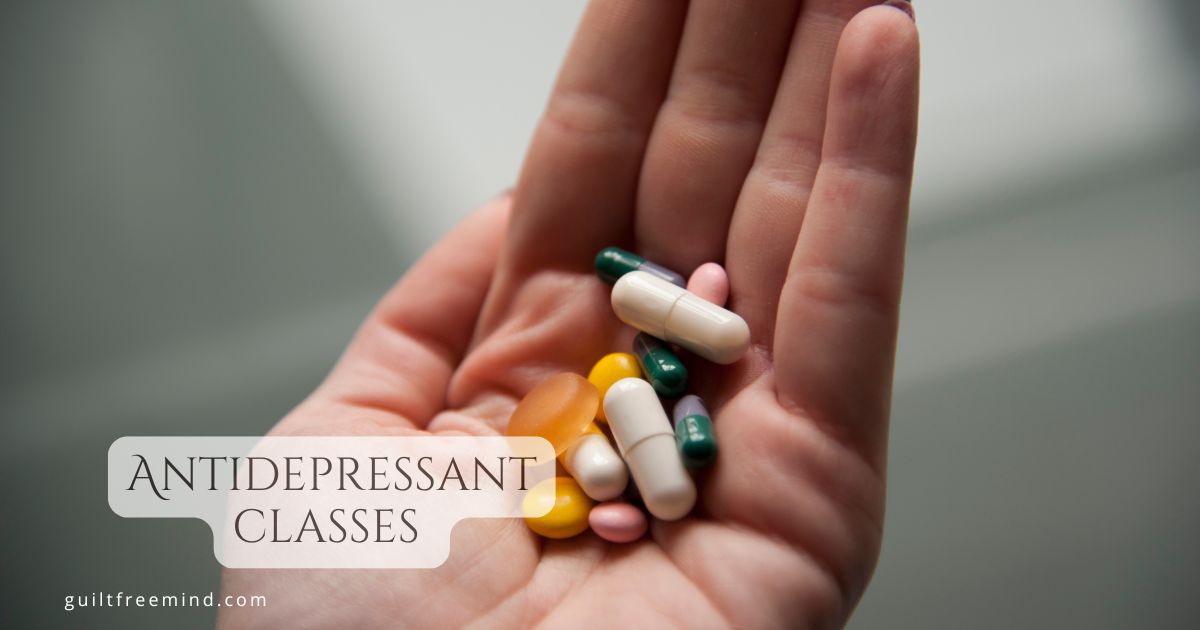
These medications work through different mechanisms and may help when first-line treatments fall short. Research indicates that about 30% of people who don’t respond to an initial antidepressant will benefit from switching to another.
Medication Combinations and Augmentation Strategies
For treatment-resistant clinical depression, combining medications or adding supplementary treatments often proves effective.
Common augmentation strategies include:
- Adding a second antidepressant
- Combining an antidepressant with a mood stabilizer
- Using anti-anxiety medications for co-occurring anxiety
- Low-dose antipsychotics for treatment-resistant depression
Brain Stimulation Therapies
When medication and psychotherapy haven’t provided sufficient relief, various brain stimulation techniques offer additional options.
Electroconvulsive Therapy (ECT)
Despite its often negative portrayal in media, modern ECT is safe and highly effective for severe clinical depression. It involves brief electrical stimulation of the brain while under anesthesia.
ECT has among the highest response rates—about 70-90%—for treatment-resistant depression, though it may cause temporary memory issues for some patients.
Transcranial Magnetic Stimulation (TMS)
TMS uses magnetic pulses to stimulate nerve cells in brain regions involved in mood regulation. It requires no anesthesia and has minimal side effects.

Recent research shows TMS helps about 50-60% of people with treatment-resistant depression, with about one-third achieving complete remission.
Vagus Nerve Stimulation
This approach uses an implanted device to stimulate the vagus nerve, which transmits information between the brain and body organs. Though less common than other treatments, it’s an option for severe, treatment-resistant cases.
Each treatment approach offers different advantages, and many people find the most success with combinations tailored to their specific needs. The journey to recovery from clinical depression often involves trying several approaches before finding what works best.
Breakthrough and Emerging Treatments Showing Promise
“Will there ever be a real cure for clinical depression?” The good news is that researchers continue to make remarkable progress in developing new approaches to treating clinical depression, many showing unprecedented effectiveness—especially for people who haven’t responded to traditional therapies.
Ketamine and Esketamine Therapy
Perhaps the most significant breakthrough in depression treatment in decades, ketamine represents a fundamentally different approach to addressing clinical depression.
How Ketamine Works Differently Than Traditional Antidepressants
Unlike conventional antidepressants that primarily target serotonin, norepinephrine, or dopamine, ketamine works on glutamate—the brain’s most abundant neurotransmitter. This different mechanism explains why ketamine can relieve clinical depression symptoms within hours or days, rather than the weeks traditional medications typically require.
Ketamine is administered in two main forms:
- Racemic ketamine, typically given intravenously in clinics
- Esketamine (Spravato), an FDA-approved nasal spray used under medical supervision
Success Rates and Patient Experiences
In clinical trials, roughly half of people with treatment-resistant depression respond to ketamine, often within a day, and it can quickly reduce suicidal thoughts. The effects usually fade within days to weeks unless treatment is repeated, and it must be given under medical supervision (McIntyre et al., 2021).

While ketamine’s effects typically last days to weeks, many clinics now offer maintenance schedules that help sustain improvements. This approach doesn’t “cure” clinical depression in the permanent sense, but it provides significant symptom relief that makes other treatments more effective.
Psychedelic-Assisted Therapy
Though still in the research phases, psychedelic therapies are showing tremendous promise for clinical depression treatment, especially for cases resistant to conventional approaches.
Psilocybin Research and Clinical Trials
Psilocybin, the active compound in “magic mushrooms,” has demonstrated remarkable results in clinical trials. In a 2020 Johns Hopkins study, 71% of participants with major depressive disorder showed significant improvement after just two psilocybin sessions, with half achieving remission.
The therapeutic process typically involves:
- Preparation sessions with trained therapists
- A carefully supervised psilocybin session lasting 6-8 hours
- Integration sessions to process insights gained during the experience
MDMA-Assisted Therapy
While primarily studied for PTSD, MDMA-assisted therapy also shows promise for clinical depression, especially when trauma underlies depressive symptoms.
MDMA appears to work by reducing fear response while increasing feelings of trust and connection, creating a unique window for therapeutic processing of difficult emotions.
Stanford Accelerated Intelligent Neuromodulation Therapy (SAINT)
SAINT represents a significant evolution in transcranial magnetic stimulation (TMS) therapy. This accelerated approach delivers multiple TMS sessions daily for five consecutive days, compared to standard TMS protocols that take 4-6 weeks.
Early results are striking. In a small randomized controlled trial, about 79% of people with treatment-resistant depression who received the accelerated SAINT protocol reached remission within four weeks, compared with 13% of those given a sham treatment (Cole et al., 2022). It is now cleared by the FDA, although access is still limited and longer-term data are still being gathered.
Personalized Depression Treatment Through Genetic Testing
Genetic testing represents a shift toward precision medicine for clinical depression. Tests like GeneSight analyze how your genes might affect responses to specific antidepressants, potentially reducing the trial-and-error process many experience.
Pharmacogenomic testing can flag medicines your body may process poorly. In a large randomized trial, it changed which antidepressants were prescribed and gave a small early advantage in remission, but the difference was no longer significant at 24 weeks (Oslin et al., 2022). It can be a useful tool, but it is not a shortcut to the right medicine for everyone.
These emerging treatments are redefining what’s possible for people with clinical depression, especially those who haven’t responded to conventional approaches. While most aren’t yet widely available outside research settings or specialized clinics, they represent genuine hope for those who’ve struggled to find relief through existing options.
Complementary and Alternative Approaches for Depression Management
When clinical depression doesn’t respond fully to conventional treatments—or when people seek additional support for recovery—complementary approaches can play a valuable role. These aren’t replacements for evidence-based interventions.
Evidence-Based Lifestyle Interventions
Lifestyle factors don’t just affect our physical health—they can significantly impact whether clinical depression improves or persists. Research increasingly supports specific lifestyle interventions as powerful adjuncts to traditional treatments.

Exercise and Physical Activity
Physical activity consistently ranks among the most effective non-medication approaches for clinical depression. A 2022 meta-analysis found that regular exercise can be as effective as antidepressant medication for mild to moderate depression, with aerobic exercise showing particularly strong benefits.
Research indicates that exercise:
- Increases endorphins and other mood-enhancing neurotransmitters
- Reduces inflammation that may contribute to depression
- Promotes neuroplasticity (the brain’s ability to form new connections)
- Improves sleep quality
- Boosts self-esteem and reduces social isolation
Even modest amounts—30 minutes of moderate activity several times weekly—can make a meaningful difference.
Nutrition and Anti-inflammatory Diet Approaches
The connection between diet, inflammation, and clinical depression continues to strengthen through research. While no specific diet can cure clinical depression, certain eating patterns show promise in supporting mental health.
Emerging research supports:
- Mediterranean diet rich in vegetables, fruits, whole grains, fish, and olive oil
- Reducing processed foods, sugar, and refined carbohydrates
- Omega-3 fatty acids from fish or supplements
- Adequate protein intake to support neurotransmitter production
- Sufficient intake of depression-relevant nutrients including B vitamins, zinc, magnesium, and vitamin D
Studies show people who follow anti-inflammatory diets have 25-35% lower rates of depression than those with typical Western diets high in processed foods.
Sleep Hygiene and Circadian Rhythm Optimization
The relationship between sleep and clinical depression works in both directions—depression disrupts sleep, and poor sleep worsens depression. Addressing sleep problems can create a positive cycle of improvement.

Effective sleep strategies include:
- Maintaining consistent sleep-wake times, even on weekends
- Morning light exposure (natural or light therapy)
- Limiting evening screen time and blue light
- Creating a cool, dark sleeping environment
- Addressing sleep disorders like sleep apnea that may contribute to depression
For some people with seasonal patterns of depression, light therapy alone can reduce symptoms by 50-80%.
Mind-Body Practices
Practices that connect mental and physical well-being offer valuable tools for managing clinical depression, particularly for reducing stress that often triggers or worsens depressive episodes.
Meditation and Mindfulness
Substantial research supports mindfulness practices for preventing depression relapse and managing ongoing symptoms. Regular meditation appears to reduce rumination (repetitive negative thinking) and improve emotional regulation—two processes heavily disrupted in clinical depression.
In an analysis of individual patient data from nine trials, mindfulness-based cognitive therapy reduced the risk of depressive relapse over 60 weeks by about 31% compared with people who didn’t receive it (Kuyken et al., 2016).
Yoga and Tai Chi
Movement-based practices that incorporate breath awareness, physical postures, and meditative focus show particular promise for clinical depression.
Research indicates that yoga may:
- Reduce stress hormones like cortisol
- Increase GABA, a neurotransmitter often low in people with depression
- Improve heart rate variability, a measure of stress resilience
- Provide social connection, particularly in group settings

Breathwork Techniques
Specific breathing patterns can directly influence the nervous system, potentially counteracting the physiological stress responses common in clinical depression.
Simple techniques like diaphragmatic breathing, alternate nostril breathing, or the 4-7-8 method (inhale for 4 counts, hold for 7, exhale for 8) can be practiced anywhere and show immediate effects on anxiety that often accompanies depression.
Supplements and Herbal Remedies
While not replacements for conventional treatments, certain supplements show modest evidence for supporting recovery from clinical depression.
Omega-3 Fatty Acids
Found primarily in fatty fish, these essential fats play crucial roles in brain function. Studies suggest supplementation may help reduce inflammation associated with depression.
Meta-analyses indicate omega-3s have small to moderate benefits for clinical depression, with EPA (eicosapentaenoic acid) showing stronger effects than DHA (docosahexaenoic acid).
St. John’s Wort
This herbal remedy has been extensively studied for depression, particularly in Europe where it’s commonly prescribed.
Research suggests St. John’s Wort may be as effective as some antidepressants for mild to moderate depression, though it can interact with many medications and isn’t recommended for severe depression.

SAMe, Saffron, and Other Promising Supplements
Several other supplements show preliminary evidence for depression support:
- S-adenosylmethionine (SAMe), a naturally occurring compound involved in neurotransmitter synthesis
- Saffron, which appears to influence serotonin metabolism
- N-acetylcysteine (NAC), which may reduce oxidative stress and inflammation
- Zinc, which plays numerous roles in brain function and is often deficient in people with depression
Stress Management and Resilience Building
Learning to effectively manage stress is crucial for recovery from clinical depression and preventing recurrence. Building psychological resilience—the ability to adapt to challenges—creates a buffer against future episodes.
Effective approaches include:
- Identifying and reducing unnecessary stressors
- Developing healthy coping strategies
- Building problem-solving skills
- Setting appropriate boundaries
- Cultivating supportive relationships
- Balancing rest and activity
While these complementary approaches generally won’t cure clinical depression on their own, they represent powerful additions to conventional treatments. Many people find that combining traditional and complementary approaches provides more complete relief than either alone.
Depression care often works best when it goes beyond reducing symptoms to rebuilding the good things in life: positive experiences, engagement, relationships, meaning and accomplishment, an idea drawn from positive psychology.
Treatment for Treatment-Resistant Depression
Perhaps you have tried several antidepressants and more than one therapist, and you are starting to believe depression can’t be treated, at least not for you.
Treatment-resistant depression (TRD) is more common than many realize. Approximately 30-40% of people with clinical depression don’t respond adequately to their first treatment approach, and 10-20% continue to struggle despite multiple interventions.
Defining Treatment Resistance
Treatment-resistant depression isn’t simply a label—it’s a clinical designation that helps guide more specialized approaches.
Most experts define treatment-resistant depression as:
- Failure to achieve significant improvement after trying at least two different antidepressants at adequate doses for sufficient duration (typically 6-8 weeks each)
- Continued significant symptoms despite treatment compliance
It’s important to note that treatment resistance doesn’t mean clinical depression can’t be effectively treated or even potentially cured—it simply means standard first-line approaches haven’t been sufficient.
Comprehensive Assessment Strategies
When standard treatments haven’t worked, a thorough reassessment is crucial. Many factors can contribute to apparent treatment resistance:
- Misdiagnosis (bipolar disorder, for example, often masquerades as treatment-resistant depression)
- Unaddressed co-occurring conditions (anxiety disorders, PTSD, substance use disorders)
- Medical conditions affecting treatment response (thyroid disorders, vitamin deficiencies, chronic inflammation)
- Medication interactions or genetic differences affecting drug metabolism
- Psychosocial factors maintaining depression (ongoing trauma, isolation, high-stress environment)
A thorough assessment typically includes:
- Detailed medical and psychiatric history review
- Comprehensive physical examination and laboratory testing
- Consideration of genetic testing for medication metabolism
- Evaluation of sleep, nutrition, substance use, and lifestyle factors
- Assessment of psychological and social circumstances
Multi-modal Treatment Approaches
For treatment-resistant depression, combining multiple approaches often yields better results than sequential single treatments.

Effective combination approaches often include:
- Medication combinations (adding a second antidepressant or augmenting with mood stabilizers, antipsychotics, or thyroid hormone)
- Combining medication with evidence-based psychotherapy
- Adding brain stimulation techniques like TMS or ECT
- Addressing lifestyle factors including sleep, exercise, and nutrition
- Incorporating mindfulness or stress reduction practices
In the STAR*D study, people who didn’t remit with their first antidepressant could move through up to three further treatment steps. Each later step helped fewer people, but many who hadn’t responded at first did eventually improve (Rush et al., 2006).
Newest Interventions for Treatment-Resistant Cases
For people with severe treatment-resistant depression, several cutting-edge approaches are showing remarkable promise:
- Ketamine and esketamine therapy (discussed earlier)
- SAINT protocol (Stanford Accelerated Intelligent Neuromodulation Therapy)
- Deep brain stimulation (DBS)—an implanted device that provides electrical stimulation to specific brain regions
- Psychedelic-assisted therapies under clinical supervision
- Precision psychiatry approaches using genetic, neuroimaging, and other biomarkers to personalize treatment
While these advanced approaches aren’t yet widely available, they’re rapidly expanding and offer new hope for those who’ve struggled with persistent symptoms.
Preventing Depression Recurrence and Relapse
For many people, the greatest challenge isn’t achieving initial improvement but maintaining wellness over time. Understanding how to prevent recurrence is critical when considering whether clinical depression can be truly cured.
Early Warning Signs and Symptom Monitoring
Learning to recognize subtle changes that might signal returning depression allows for earlier intervention—often preventing full-blown episodes.

Common early warning signs include:
- Sleep changes (increased or decreased)
- Withdrawal from social activities
- Decreased energy or motivation
- Return of negative thinking patterns
- Reduced enjoyment of previously pleasurable activities
- Increased irritability or anxiety
- Subtle changes in appetite or concentration
Many people find that tracking mood, sleep, and activities using journals or smartphone apps helps identify patterns and catch potential relapses early.
Continuation and Maintenance Treatment
The highest risk period for depression recurrence is the six months following symptom improvement. Continuing treatment during this vulnerable period significantly reduces relapse risk.
Research supports this approach:
- Continuing antidepressant medication for at least 6-12 months after symptom resolution reduces relapse risk by 70%
- Maintenance therapy (lower frequency sessions) after completing a course of CBT or IPT provides ongoing protection
- For people with multiple previous episodes, longer-term or indefinite maintenance treatment may be appropriate
Lifestyle Modifications That Reduce Recurrence Risk
Certain lifestyle factors appear particularly important for preventing depression recurrence:
- Regular physical activity (3-5 sessions weekly)
- Consistent sleep schedule
- Social connection and support
- Stress reduction practices
- Limited alcohol consumption
- Anti-inflammatory diet patterns
- Meaningful engagement in activities and relationships
Building Psychological Resilience
Developing psychological resilience is critical when considering if clinical depression can be cured over the long term. Resilience isn’t about avoiding difficult emotions but developing the capacity to navigate challenges without spiraling back into depression.

Building resilience often involves:
- Developing a growth mindset that views setbacks as temporary and specific rather than permanent and pervasive
- Practicing self-compassion when confronting difficulties
- Creating meaning from challenges rather than viewing them as purely negative
- Establishing healthy boundaries in relationships
- Building confidence in your ability to solve problems
For many wondering if clinical depression can be cured, strengthening resilience becomes a cornerstone of lasting recovery. While it doesn’t guarantee you’ll never experience depression again, it can significantly reduce the severity and duration of potential future episodes.
Social Support and Connection
The question of whether clinical depression can be cured is intimately connected to the quality of our relationships. Robust social connections act as both preventive measures and healing factors when managing depression.
Effective social support strategies include:
- Regular meaningful interaction with trusted friends and family
- Participation in support groups specific to depression recovery
- Volunteering or community involvement that creates purpose
- Open communication with loved ones about early warning signs
- Building relationships with others who understand mental health challenges
For those wondering if clinical depression can be cured completely, research consistently shows that strong social bonds significantly improve long-term outcomes. Even for those who experience occasional symptoms, having reliable social support can prevent full relapse.
Creating a Personalized Depression Recovery Plan
Working With Mental Health Professionals
While exploring if clinical depression can be cured, it’s essential to recognize that professional guidance remains invaluable. Mental health professionals bring expertise in assessment, treatment planning, and outcome monitoring that self-help alone cannot provide.
Effective collaboration with mental health professionals typically involves:
- Regular assessment of symptoms using standardized measures
- Open discussion about treatment preferences and concerns
- Coordination between different providers (therapist, psychiatrist, primary care)
- Education about your specific depression subtype and treatment options
- Involvement in shared decision-making about your recovery plan
People often ask if clinical depression can be cured without professional help. While some may achieve remission through self-help methods, professional guidance significantly increases success rates, particularly for moderate to severe depression.
Finding the Right Treatment Combination
The path to determining if clinical depression can be cured often involves finding the precise combination of treatments that work for your unique biology, psychology, and circumstances.
Factors to consider when creating your treatment combination:
- Response to previous treatments (what helped even partially)
- Depression subtypes (melancholic, atypical, seasonal, etc.)
- Comorbid conditions (anxiety, substance use, chronic pain)
- Personal preferences and values regarding treatment approaches
- Practical considerations like cost, accessibility, and time commitment
The question of whether clinical depression can be cured becomes highly individual when we consider that different people respond to different treatment combinations. What works for one person may not work for another, highlighting the importance of personalization.
Tracking Progress and Treatment Response
Systematically monitoring symptoms provides concrete evidence when evaluating if clinical depression can be cured or effectively managed in your particular case.

Effective progress tracking might include:
- Regular completion of validated symptom scales like the PHQ-9
- Monitoring functional improvements in work, relationships, and daily activities
- Tracking side effects or challenges with treatments
- Noting specific circumstances surrounding mood changes
- Celebrating incremental improvements rather than expecting immediate results
For those wondering if clinical depression can be cured completely, tracking provides valuable data about the degree of improvement and stability over time, which can be more informative than seeking a binary “cured/not cured” determination.
Adjusting Treatment Throughout the Recovery Journey
The question of whether clinical depression can be cured is complicated by the dynamic nature of both the condition and our lives. Treatment plans often require adjustment over time to maintain effectiveness.
Key moments that might trigger treatment adjustments include:
- Life transitions (job changes, moves, relationship shifts)
- Emergence of new stressors or triggers
- Partial return of symptoms
- Medication tolerance or side effects
- New treatment options becoming available
When considering if clinical depression can be cured permanently, many find that thinking in terms of ongoing management with periodic adjustments provides a more realistic framework than expecting a singular, permanent cure.
The Lived Experience of Recovery
Common Themes in Recovery
Everyone’s path to recovery is different, but some themes come up again and again:

- The non-linear nature of improvement, with setbacks being normal
- The discovery of unexpected gifts from the depression journey, like increased empathy
- The importance of patience and self-compassion throughout recovery
- The development of personal warning systems for potential relapses
- The eventual shift from depression being their entire identity to just one part of their story
These themes help put the question of a “cure” in context, by showing the many faces of recovery and the different paths people take.
What Clinicians Emphasize
Clinicians who work daily with depression offer valuable perspectives on whether clinical depression can be cured based on their extensive experience.
Many clinicians suggest that “Can it be cured?” may be the wrong question. Some people never have another episode after successful treatment, while others manage occasional symptoms yet live full, meaningful lives.
Mental health professionals typically emphasize:
- The importance of individualized treatment plans
- The value of addressing underlying contributors like trauma or relationship patterns
- The role of maintenance strategies even after symptoms resolve
- The significant improvements in treatment options over recent decades
- The reality is that different people define “cure” differently based on their expectations
These professional insights help frame realistic expectations when considering whether clinical depression can be cured completely.
Research-Based Recovery Statistics
When exploring whether clinical depression can be cured, research provides important context about what outcomes are typical across large populations.
Recent meta-analyses suggest:
- Approximately 50-60% of people with major depression will experience complete symptom remission with appropriate treatment
- Among those who achieve remission, roughly 50% will experience at least one future episode without maintenance treatment
- This recurrence risk drops significantly with continued maintenance treatment
- Each successive episode increases the likelihood of future episodes
- Early intervention significantly improves long-term outcomes

Understanding these statistics helps contextualize the question of whether clinical depression can be cured by providing realistic expectations while maintaining hope.
Conclusion: The Future of Clinical Depression Treatment
Evolving Understanding of Depression Biology
As we continue exploring whether clinical depression can be cured, our understanding of depression’s biological underpinnings is rapidly advancing.
Recent research has shifted from viewing depression as simply a “chemical imbalance” to recognizing it as a complex condition involving inflammation, neuroplasticity, gut microbiome influence, genetic factors, and stress response systems. This nuanced understanding is opening new avenues for addressing the fundamental question of whether clinical depression can be cured.
Researchers are moving away from one-size-fits-all approaches as they look for depression subtypes with different biological signatures. This precision-medicine approach may eventually lead to better-matched treatments.
These advances suggest that the question of whether clinical depression can be cured may eventually have different answers for different depression subtypes.
Promising Research Directions
The landscape of depression treatment continues evolving, bringing new possibilities to the question of whether clinical depression can be cured.
Particularly promising areas include:
- Neuroinflammation-targeted treatments that address immune system involvement
- Digital therapeutics that provide evidence-based interventions through technology
- Combination approaches that simultaneously address multiple depression mechanisms
- Preventive interventions that identify and treat vulnerability before full episodes develop
- Improved brain stimulation methods with fewer side effects than current options

These developing approaches may significantly change how we answer whether clinical depression can be cured in coming years.
Hope for Better Outcomes and Quality of Life
While the definitive answer to whether clinical depression can be cured remains complex, there is substantial reason for optimism about recovery outcomes.
Even now, most people with depression can achieve significant improvement in symptoms and quality of life with appropriate treatment. As our understanding and interventions continue advancing, these outcomes will likely improve further. The question of whether clinical depression can be cured may eventually become less binary—not yes or no, but rather how completely and for how long symptoms can be resolved for different individuals.
For those currently struggling, it’s important to remember that regardless of how we ultimately answer whether clinical depression can be cured completely, recovery—defined as building a meaningful life where depression doesn’t control your choices—is absolutely possible with proper treatment and support.
Final Thoughts: A Balanced Perspective on Depression Recovery
Throughout this exploration of whether clinical depression can be cured, we’ve encountered complex answers that resist simple yes-or-no conclusions. Perhaps the most helpful perspective comes from embracing this complexity while maintaining hope.
Clinical depression is increasingly understood as a condition that exists on a spectrum—from complete resolution without recurrence (which some might call a “cure” in the traditional sense) to effective management that minimizes impact on quality of life (which might be considered a functional cure). Between these points lie numerous recovery patterns that are as unique as the individuals experiencing them.
For those currently struggling, remember that questioning whether clinical depression can be cured completely is less important than taking the next step toward recovery. With appropriate treatment and support, the vast majority of people with depression can achieve significant improvement and build lives of meaning, connection, and joy—regardless of how we ultimately label that outcome.
The question isn’t simply whether clinical depression can be cured in the abstract, but rather how you can move toward your personal vision of recovery. This journey, with all its challenges and triumphs, begins with reaching out for help and continues one step at a time.
Pin this article for later:
If you wish to be regularly updated with all the latest mental health tips and tricks, subscribe to Guilt Free Mind. The subscription option is present in the sidebar. If you like watching videos, subscribe to the YouTube channel of Guilt Free Mind. Remember to ring the notification bell so that YouTube does not miss out on notifying you regarding any of the latest updates from the channel.
See you in my next blog post.
If You Are Struggling Right Now
If you are having thoughts of ending your life, please reach out now. These services are free and confidential:
- India: Tele-MANAS, free 24/7 mental health helpline: call 14416 (or 1-800-891-4416). In an emergency, call 112; women can also call 181.
- United States: call or text 988 (988 Suicide & Crisis Lifeline), or text HOME to 741741 (Crisis Text Line).
- United Kingdom and Ireland: Samaritans, free 24/7: 116 123.
- Anywhere: if you might act on thoughts of suicide, go to the nearest hospital emergency department or call your local emergency number.
Frequently Asked Questions
When examining statistics about whether clinical depression can be cured completely, we find encouraging but complex data:
About 40-60% of people with major depression achieve complete symptom remission with their first treatment attempt
This percentage increases to 70-80% when multiple treatment approaches are tried sequentially
Among those who achieve remission, approximately 50% maintain recovery long-term without recurrence
Another 30-40% experience occasional mild symptoms but maintain good functioning.
About 10-20% experience chronic, persistent symptoms despite multiple interventions.
Statistics don’t tell the whole story: many people who experience a recurrence have shorter, milder episodes over time as they develop better ways of managing them, and quality of life often improves substantially even without a ‘complete cure’ by strict definitions.
Evaluating whether clinical depression can be cured or effectively managed in your case involves monitoring specific indicators:
– Improvement in core symptoms like mood, interest in activities, energy, sleep, and concentration
– Enhanced functioning in work, relationships, and daily responsibilities
– Reduced frequency and intensity of negative thoughts
– Increased resilience when facing stressors
– Greater engagement in meaningful activities
– Improved physical symptoms like appetite changes or unexplained pain
Treatment success exists on a spectrum rather than as a binary outcome, which complicates the question of whether clinical depression can be cured definitively.
References
- Cole, E. J., Phillips, A. L., Bentzley, B. S., et al. (2022). Stanford Neuromodulation Therapy (SNT): A double-blind randomized controlled trial. American Journal of Psychiatry, 179(2), 132–141. https://doi.org/10.1176/appi.ajp.2021.20101429
- Kuyken, W., Warren, F. C., Taylor, R. S., et al. (2016). Efficacy of mindfulness-based cognitive therapy in prevention of depressive relapse: An individual patient data meta-analysis from randomized trials. JAMA Psychiatry, 73(6), 565–574. https://doi.org/10.1001/jamapsychiatry.2016.0076
- Malhi, G. S., & Mann, J. J. (2018). Depression. The Lancet, 392(10161), 2299–2312. https://doi.org/10.1016/S0140-6736(18)31948-2
- McIntyre, R. S., Rosenblat, J. D., Nemeroff, C. B., et al. (2021). Synthesizing the evidence for ketamine and esketamine in treatment-resistant depression: An international expert opinion on the available evidence and implementation. American Journal of Psychiatry, 178(5), 383–399. https://doi.org/10.1176/appi.ajp.2020.20081251
- Oslin, D. W., Lynch, K. G., Shih, M.-C., et al. (2022). Effect of pharmacogenomic testing for drug-gene interactions on medication selection and remission of symptoms in major depressive disorder: The PRIME Care randomized clinical trial. JAMA, 328(2), 151–161. https://doi.org/10.1001/jama.2022.9805
- Rush, A. J., Trivedi, M. H., Wisniewski, S. R., et al. (2006). Acute and longer-term outcomes in depressed outpatients requiring one or several treatment steps: A STARD report. American Journal of Psychiatry, 163*(11), 1905–1917. https://doi.org/10.1176/ajp.2006.163.11.1905
