


Last updated on: July 13, 2025
Clinical depression myths can cloud our understanding of this serious medical condition and stop people from seeking the help they need. As a mental health advocate at Guilt Free Mind, I’ve seen how misconceptions about clinical depression create barriers to recovery. This post debunks common myths, explains what the research shows and offers science-backed insights to help you understand the reality of clinical depression. If you’re wondering whether your struggles are “just sadness” or something more, read on.
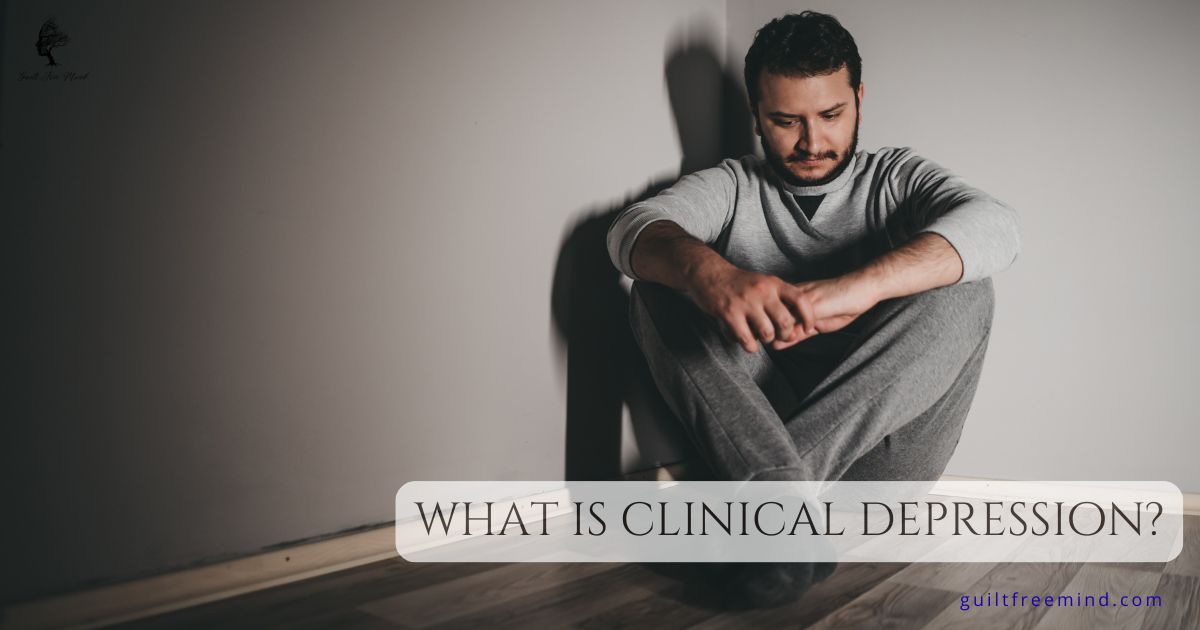
At a Glance: Clinical Depression Myths Debunked
| Myth | Reality |
|---|---|
| Depression is just feeling sad | Clinical depression involves persistent emptiness, numbness, or hopelessness, often with physical symptoms like fatigue, lasting at least 2 weeks. It’s a medical condition, not just sadness. |
| You can “pull yourself out” of depression | Depression involves brain chemistry changes, making it impossible to overcome with willpower alone. Treatment like therapy or medication is often necessary. |
| Depression requires a reason or trigger | Depression can occur without an obvious cause due to genetic, biological, or environmental factors, affecting anyone regardless of circumstances. |
| If you can function, you’re not really depressed | High-functioning depression allows people to maintain responsibilities while battling internal symptoms like hopelessness or fatigue, often going unnoticed. |
| Depression is a sign of weakness | Depression is a medical condition, not a character flaw. Managing it requires strength, and seeking help is a courageous act. |
| Antidepressants are addictive | Antidepressants are not addictive but require careful tapering under medical supervision to avoid withdrawal effects. They adjust brain chemistry to alleviate symptoms. |
| Therapy is only for severe cases | Therapy, like CBT, is effective for all depression severities, helping reframe thoughts and build long-term coping skills. |
Key Takeaways:
- Breaking stigma through open conversation helps people recognize symptoms and seek help.
- Clinical depression is a complex medical condition with biological, psychological, and social factors.
- Symptoms vary widely, including emotional numbness, irritability, or physical aches, not just sadness.
- Treatment often combines therapy, medication, lifestyle changes, and support for effective recovery.
Table of Contents
What Is Clinical Depression?
Clinical depression isn’t just having a bad day or feeling blue after a setback. It’s a complex medical condition affecting millions of people worldwide, altering how they think, feel and manage daily life [Medical News Today]. Myths about it can stop people from recognizing their own symptoms.
Clinical depression doesn’t always match media stereotypes. It’s not just someone unable to get out of bed; many people function outwardly while battling internal turmoil. Symptoms include:
- Persistent sadness, emptiness, or hopelessness
- Loss of interest in activities once enjoyed
- Changes in appetite or sleep patterns
- Difficulty concentrating or deciding
- Fatigue or unexplained physical aches
- Thoughts of death or suicide [Medical News Today]
Clinical depression involves biological changes in the brain, genetic predispositions, environmental stressors, and psychological factors, making it far more than an emotional state you can control [7: https://pubmed.ncbi.nlm.nih.gov/38812489/].
Understanding what clinical depression actually is—rather than what we think it should be—is the first step toward breaking down the harmful myths that prevent people from recognizing their symptoms and seeking appropriate support.
When we talk about clinical depression myths, it’s important to understand that misconceptions don’t just exist in public perception—they often become internalized by people experiencing depression, creating additional barriers to healing.
Common Myths and Misconceptions About Depression
Clinical depression myths don’t just shape public perception; they can become internalized, creating guilt and delaying treatment. Let’s debunk five pervasive misconceptions with what the research shows.
Myth #1: “Depression is just feeling sad”
One of the most persistent myths about clinical depression is that it’s simply an intense version of sadness—something everyone experiences from time to time. This misconception trivializes the profound difference between normal emotional responses and clinical depression. [Psychology Today].
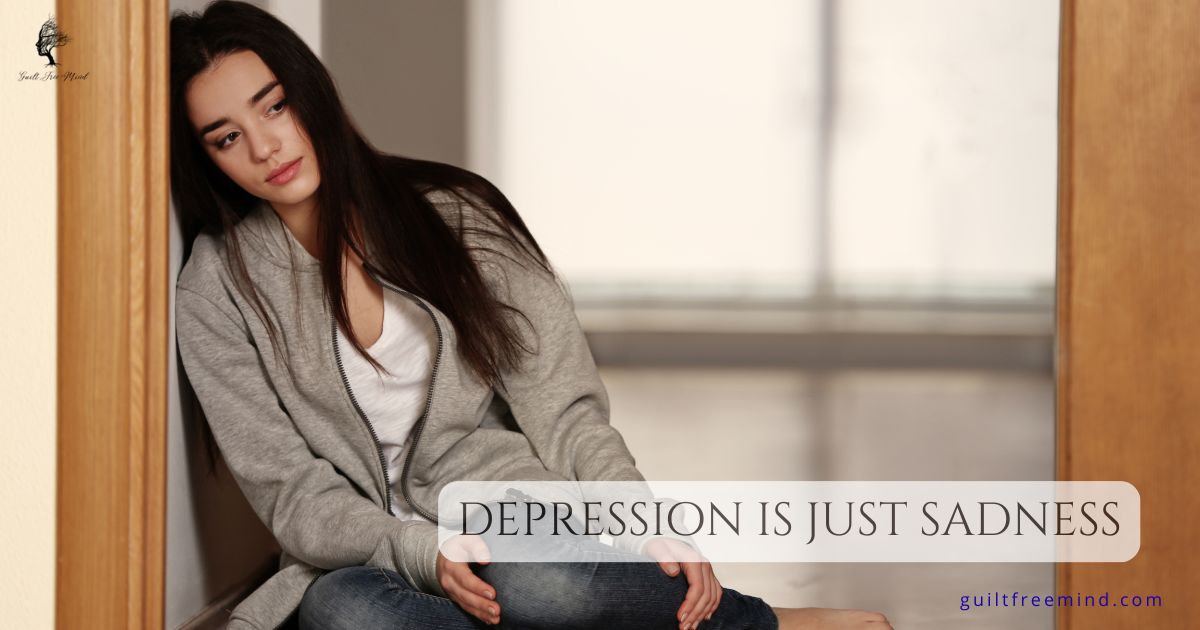
Clinical depression often involves emotional numbness or emptiness rather than just sadness. Many people describe it as feeling “hollow” or “dead inside” rather than actively sad.
| Sadness vs. Clinical Depression | Sadness | Clinical Depression |
|---|---|---|
| Symptoms | Temporary low mood, tied to events | Persistent emptiness, numbness, or hopelessness; physical symptoms like fatigue |
| Duration | Days to weeks, improves with time | At least 2 weeks, often months without treatment |
| Treatment | Time, support, self-care | Therapy, medication, lifestyle changes, professional support |
Myth #2: “You can simply ‘pull yourself out’ of depression”
The belief that depression is something you can overcome through willpower alone remains one of the most harmful clinical depression myths. This misconception suggests that depression is a choice or a character flaw rather than a legitimate medical condition.
Research consistently shows that clinical depression involves measurable changes in brain function and structure. [PubMed]. Depression affects regions involved in mood regulation, motivation, and cognitive function. When someone has depression, telling them to “snap out of it” isn’t just unhelpful—it’s physiologically impossible without proper treatment.
Myth #3: “Depression requires a reason or trigger”
Many people believe that clinical depression must be tied to difficult life circumstances—loss of a loved one, job problems, relationship difficulties, etc. While these situations can certainly trigger depressive episodes in vulnerable individuals, clinical depression often occurs without any obvious external cause.
This myth creates additional suffering for those with depression by making them feel guilty or illegitimate if they can’t identify a “good enough reason” for their condition. Clinical depression can occur in anyone, at any time, regardless of their external circumstances.
Myth #4: “If you can function, you’re not really depressed”
Another damaging misconception is that “real” depression always means complete inability to function. This clinical depression myth ignores the reality of high-functioning depression, where people maintain their external responsibilities while suffering internally. [Psychology Today].

High-functioning depression can be particularly dangerous because it often goes unrecognized and untreated for longer periods. People may dismiss their own symptoms because they don’t match the stereotypical image of depression, delaying vital treatment.
Myth #5: “Depression is a sign of weakness”
Perhaps the most pernicious clinical depression myth is that experiencing depression somehow indicates weakness of character, lack of resilience, or insufficient mental toughness. This stigmatizing belief prevents countless people from seeking help. [Boulder Community Health].
Living with clinical depression requires tremendous strength and resilience. Managing daily responsibilities while battling persistent negative thoughts, low energy, and emotional numbness demands more strength than most people realize. Additionally, seeking help despite societal stigma demonstrates remarkable courage.
Signs and Symptoms of Depression
Understanding the signs and symptoms of clinical depression is crucial for recognizing when you or someone you care about might need help. While everyone’s experience with depression is unique, there are common patterns that can help identify this condition.
Physical and Emotional Symptoms of Depression
Recognizing clinical depression symptoms is crucial for seeking help. Symptoms affect mind and body, varying widely [MedlinePlus].
Physical Symptoms:
- Persistent fatigue and low energy
- Sleep issues (insomnia or oversleeping)
- Appetite/weight changes
- Unexplained aches, pains, digestive issues
- Slowed movements/speech
- Decreased sex drive
Pin this article for later:
Emotional/Cognitive Symptoms:
- Thoughts of death/suicide
- Persistent sadness, emptiness, or anxiety
- Loss of interest in activities
- Feelings of worthlessness/guilt
- Difficulty concentrating/deciding
- Memory problems
Misconceptions About Depression Treatment
Beyond myths about the condition, clinical depression myths also surround treatment, creating barriers to recovery. Here are two common misconceptions debunked:
Myth #6: Antidepressants Are Addictive
Many people fear that antidepressants are addictive or will change their personality. Antidepressants such as SSRIs don’t cause the cravings or compulsive use seen with addictive drugs, and they don’t create a fake happiness. However, stopping them suddenly can cause discontinuation symptoms such as dizziness, irritability or flu-like feelings, sometimes lasting weeks, so any change should be planned with your doctor (Davies & Read, 2019).

Myth #7: Therapy Is Only for Severe Cases
Some believe therapy is only for “extreme” depression, but it’s effective across severity levels. Cognitive Behavioral Therapy (CBT) helps reframe negative thoughts, while interpersonal therapy improves relationships [UnityPoint Health]. Therapy builds long-term coping skills, complementing medication.
How Depression Manifests Differently Across Demographics
Another important aspect of understanding clinical depression is recognizing that it can look remarkably different across various groups of people.
Depression in Teens and Older People
Teens: Clinical depression myths suggest teens are just “moody.” However, depression in adolescents can appear as irritability, risk-taking, or social withdrawal. A 2023 study noted that 1 in 5 teens experiences depression, often mistaken for typical angst [Johns Hopkins Medicine].
Older People: Myths portray depression as a “normal” part of aging. Older adults may show physical symptoms (e.g., fatigue, aches) or cognitive decline, mistaken for dementia. Up to 15% of older people experience depression, often underdiagnosed [4].
Depression in Men vs. Women
While clinical depression affects people of all genders, the way symptoms manifest and how people cope can differ significantly.
Men with clinical depression often experience:
- Increased anger, irritability, and aggression
- Risk-taking behavior
- Substance abuse
- Physical complaints
- Escapist behavior like working excessively
Women, on the other hand, may be more likely to experience:
- Pronounced feelings of guilt
- Oversleeping
- Comfort eating and weight gain
- Anxiety alongside depression
- More frequent crying
Research suggests that men are more likely to report anger, irritability, risk-taking and heavy drinking, symptoms that standard depression checklists can miss. When these are included, rates of depression in men and women look much more similar (Martin et al., 2013).
Cultural Perspectives on Depression
Clinical depression exists across all cultures, but cultural factors significantly influence how symptoms are expressed, interpreted, and whether people seek help. [UNICEF].
In many cultures there is no direct translation for “clinical depression”. Low mood may be described as “thinking too much”, tiredness or bodily pain rather than sadness, and families may see it as a need to “be stronger”. A review of studies from around the world found that such differences in how depression is experienced and described are common (Haroz et al., 2017).

Across different cultures, people experiencing clinical depression may:
- Focus more on physical rather than emotional symptoms
- Express distress through culturally specific idioms
- Seek help from traditional healers or religious leaders before medical professionals
- Experience significant stigma that prevents acknowledgment of mental health issues
Understanding these variations helps us recognize that clinical depression doesn’t have a single “look” or presentation. This awareness is crucial for identifying depression in ourselves and others, regardless of gender, culture, or background.
Depression Treatment Options and Support
Clinical depression is treatable, with most people improving through comprehensive approaches.
Psychotherapy: CBT, interpersonal therapy, and psychodynamic therapy address thought patterns, relationships, and past experiences [3].
Medication: Antidepressants (e.g., SSRIs) adjust neurotransmitters, taking 4-6 weeks to work [6].
Lifestyle Changes: Exercise, sleep hygiene, nutrition, and stress management (e.g., mindfulness) support recovery.
Complementary Approaches: Light therapy, acupuncture, or yoga can enhance treatment [2].
Beyond Medication: Comprehensive Treatment Approaches
While medication is often the first thing people think of when considering treatment for clinical depression, effective approaches typically involve multiple strategies working together.
Research supports combining approaches: for many people, adding psychotherapy to antidepressant medication works better than medication alone (Cuijpers et al., 2014).
Effective treatment for clinical depression often includes:
Psychotherapy (Talk Therapy)
Various forms of therapy have proven effective for clinical depression, including:
- Cognitive Behavioral Therapy (CBT): Helps identify and change negative thought patterns and behaviors that contribute to depression
- Interpersonal Therapy: Focuses on improving relationships and social functioning
- Psychodynamic Therapy: Explores past experiences and unconscious patterns that may contribute to depression
Cognitive behavioral therapy (CBT) is one of the most studied treatments for depression, with benefits that hold up across many trials (Cuijpers et al., 2023). It teaches practical tools to notice and challenge the negative thought patterns that keep depression going.

Medication
Antidepressants can be life-changing for many people with clinical depression. They work by adjusting levels of neurotransmitters (chemical messengers) in the brain.
It’s important to understand several facts about antidepressants:
- They typically take 4-6 weeks to reach full effectiveness
- Finding the right medication often requires trial and error
- They’re not addictive but should be tapered off under medical supervision
- Side effects vary widely and often diminish over time
Lifestyle Modifications
Physical health and mental health are deeply interconnected. Several lifestyle factors can significantly impact clinical depression:
- Regular physical activity: Even moderate exercise releases endorphins and can improve mood
- Consistent sleep schedule: Sleep disturbances both contribute to and result from depression
- Nutrition: A balanced diet supports brain health and emotional regulation
- Stress management: Techniques like mindfulness, meditation, and deep breathing can reduce depression severity
Exercise is one of the best-supported self-help strategies: a meta-analysis found a large effect on depressive symptoms (Schuch et al., 2016). It isn’t a replacement for treatment when depression is severe, but it can be a powerful addition.
Alternative and Complementary Approaches
Many people find additional relief through approaches that complement traditional treatment:
- Light therapy (especially for seasonal depression)
- Acupuncture
- Mindfulness meditation and yoga
- Certain supplements (though these should always be discussed with a healthcare provider)
The Role of Therapy in Depression Management
While medication can address the biological aspects of clinical depression, therapy helps develop skills and insights that create lasting change.
Therapy for clinical depression typically addresses:
- Identifying and challenging negative thought patterns
- Developing healthy coping strategies
- Processing difficult emotions and experiences
- Improving communication and relationship skills
- Building resilience against future depressive episodes
What makes therapy particularly valuable is that the skills learned continue to provide benefit long after treatment ends. Many people find that therapy not only helps them recover from clinical depression but also builds emotional resilience that serves them throughout life.
Supporting Someone with Depression
If someone you care about is experiencing clinical depression, knowing how to support them can make a significant difference in their recovery.
Supporting someone with depression is hard, and well-meaning people often make the same mistakes: trying to “fix” them with positivity, getting frustrated when they can’t “snap out of it”, or taking their withdrawal personally. Patience, listening without judgment and gently encouraging professional help usually do far more good.

Effective ways to support someone with clinical depression include:
- Listen without judgment: Allow them to express their feelings without trying to “fix” the situation
- Learn about depression: Understanding clinical depression as a legitimate medical condition helps provide appropriate support
- Encourage treatment: Gently support them in seeking professional help, and assist with practical aspects if needed
- Be patient: Recovery from depression isn’t linear, and setbacks are common
- Take care of yourself: Supporting someone with depression can be emotionally taxing; maintain your own mental health boundaries.
Avoid saying things like:
- “Just think positive”
- “Others have it worse”
- “You have so much to be grateful for”
- “You just need to try harder”
Instead, try:
- “I’m here for you”
- “You’re not alone in this”
- “This isn’t your fault”
- “Your feelings are valid”
- “I care about you”
Remember that clinical depression is a medical condition, not a choice or a weakness. Supporting someone through depression requires patience, understanding, and compassion—both for them and for yourself.
Preventing Clinical Depression with Self-Care
While not always preventable, self-care strategies can reduce depression risk and support recovery. Regular exercise, balanced nutrition, and stress management strengthen mental resilience [6]. Emerging research suggests gut health, particularly bacteria like Akkermansia muciniphila, supports the gut-brain axis, potentially lowering depression risk.
Breaking the Stigma: Talking Openly About Depression
Throughout this post, we’ve explored the reality of clinical depression beyond the common myths: how it shows up differently in different people, how it affects both mind and body, and the treatments that can help.
What stands out most clearly is that clinical depression is not a character flaw or a choice—it’s a complex medical condition that deserves the same compassion, understanding, and treatment as any physical illness.
By continuing to talk openly about clinical depression, sharing our experiences, and challenging harmful misconceptions, we gradually chip away at the stigma that prevents so many from seeking help. Every conversation matters. Every story shared helps someone else recognize their symptoms or feel less alone.
Where Do We Go From Here?
If you’re currently struggling with symptoms of clinical depression:
- Reach out to a healthcare provider. Your primary care doctor is a good starting point and can refer you to mental health specialists if needed.
- Be honest about your symptoms. Don’t minimize what you’re experiencing or try to present a “better version” of yourself during appointments.
- Give treatment time to work. Recovery from clinical depression rarely happens overnight. Stick with treatment even when progress feels slow.
- Connect with others who understand. Whether through in-person or online support groups, knowing you’re not alone can make a tremendous difference.
If you’re supporting someone with depression:
- Educate yourself. The more you understand about clinical depression, the better equipped you’ll be to provide meaningful support.
- Practice patience and compassion. Depression can make people withdraw, seem irritable, or lack motivation—remember these are symptoms of the illness, not personal choices.
- Encourage treatment while respecting autonomy. Support them in seeking help without forcing decisions or taking over.
- Take care of your own mental health. Supporting someone with depression can be emotionally demanding—make sure you’re attending to your own wellbeing.
🌿 Explore More on Guilt Free Mind: Related Resources
Guilt Free Mind is your trusted resource for mental health support, offering six core categories packed with practical tools to help you thrive—mentally, emotionally, and physically. Whether you’re struggling with clinical depression or working to build resilience, each hub is designed to support your growth holistically:
🧘♀️ Self-Care and Wellness
This hub focuses on daily practices that nurture your mind-body connection. From mindful routines to nervous system support, it’s your space to recharge and restore balance.
🧠 Understanding Personality Disorders
Dive deep into emotional patterns and mental health conditions with science-backed insights that help you better understand yourself and others.
🎨 Creative Healing and Therapy
Explore healing through creative expression—be it art, journaling, or music—and discover how engaging your imagination can support emotional recovery.
💡 Mindful Productivity and Focus
Learn how to stay mentally sharp, reduce overwhelm, and manage distractions with mindfulness-based techniques that boost clarity and intentionality.
💪 Emotional Recovery and Resilience
Build the strength to bounce back from emotional setbacks. This hub offers tools for processing trauma, regaining control, and cultivating inner stability.
😌 Stress, Anxiety, and Depression Toolkit
Find practical strategies for managing anxiety, reducing stress, and addressing low mood. Grounded in research and compassionate care, this hub supports your journey to peace and emotional balance.
Conclusion
I’d love to hear from you in the comments below. Has this post helped clarify any of the clinical depression myths you had? Do you have experiences or insights you’d be willing to share that might help others?
If you found this article helpful, please consider sharing it. Someone in your network might be silently struggling with depression, and your share could be the resource that helps them recognize their symptoms and seek support.
Remember: Recovery from clinical depression is possible. With proper treatment, support, and self-care, people with depression can and do get better. The journey may not be linear, but healing is always possible.
If you’re experiencing thoughts of suicide or self-harm, please reach out now. These services are free and confidential:
- India: Tele-MANAS, free 24/7 mental health helpline: call 14416 (or 1-800-891-4416). In an emergency, call 112; women can also call 181.
- United States: call or text 988 (988 Suicide & Crisis Lifeline), or text HOME to 741741 (Crisis Text Line).
- United Kingdom and Ireland: Samaritans, free 24/7: 116 123.
- Anywhere: if you might act on thoughts of suicide, go to the nearest hospital emergency department or call your local emergency number.
If you wish to work on your mental health more, please subscribe to Guilt Free Mind. The subscription option is present in the sidebar. If you like watching videos, subscribe to the YouTube channel of Guilt Free Mind. Remember to ring the notification bell so that YouTube does not miss out on notifying you about new video releases.
See you in my next blog post
Frequently Asked Questions
No. Clinical depression is a serious medical condition involving persistent changes in mood, thinking, and behavior that significantly impair daily functioning, typically lasting two weeks or longer. Unlike normal sadness, it doesn’t improve with changes in circumstances.
No. Depression is not a choice or a sign of weakness. It involves complex biological, psychological, and social factors, including brain chemistry imbalances. Recovery typically requires proper treatment, not just willpower. [7: https://pubmed.ncbi.nlm.nih.gov/38812489/].
Not necessarily. While some people may need long-term medication, many people take antidepressants for a defined period during recovery and then gradually taper off under medical supervision once symptoms improve. [6: https://www.healthlinkbc.ca/healthwise/myths-and-facts-about-depression].
No. While brain chemistry plays a role, depression has multiple causes including genetic factors, life events, chronic stress, medical conditions, and psychological factors. The “chemical imbalance” theory is an oversimplification.
No. Depression manifests differently in different people. Some experience irritability, physical symptoms, or emotional numbness rather than sadness. Many people with depression hide their symptoms and appear to function normally despite internal struggles. [2: https://www.psychologytoday.com/us/blog/nurturing-self-compassion/201802/5-depression-myths-people-need-stop-believing].
Yes. While life events can spark episodes, clinical depression can arise without an obvious cause due to genetic or biological factors [6].
High-functioning depression involves managing daily responsibilities while experiencing internal symptoms like emptiness, fatigue, or hopelessness, often going unnoticed by others [3: https://www.unitypoint.org/news-and-articles/11-common-myths-about-depression-unitypoint-health].
About the Author
Dr. Shruti Bhattacharya is the founder and heart of Guilt Free Mind, where she combines a Ph.D. in Immunology with advanced psychology training to deliver science-backed mental health strategies. Her mission is to empower readers to overcome stress, anxiety, and emotional challenges with practical, evidence-based tools. Dr. Bhattacharya’s unique blend of expertise and empathy shapes her approach to wellness:
- Academic & Scientific Rigor – Holding a Ph.D. in Immunology and a Bachelor’s degree in Microbiology, Dr. Bhattacharya brings a deep understanding of the biological foundations of mental health, including the gut-brain connection. Her completion of psychology courses, such as The Psychology of Emotions: An Introduction to Embodied Cognition, enhances her ability to bridge science and emotional well-being.
- Dedicated Mental Health Advocacy – With over 15 years of experience, Dr. Bhattacharya has supported hundreds of individuals through online platforms and personal guidance, helping them navigate mental health challenges with actionable strategies. Her work has empowered readers to adopt holistic practices, from mindfulness to nutrition, for lasting resilience.
- Empathetic Connection to Readers – Known for her compassionate and relatable voice, Dr. Bhattacharya is a trusted guide in mental health, turning complex research into accessible advice. Her personal journey as a trauma survivor fuels her commitment to helping others find calm and confidence.
- Lifelong Commitment to Wellness – Dr. Bhattacharya lives the principles she shares, integrating science-based habits like balanced nutrition and stress management into her daily life. Her personal exploration of mental health strategies inspires Guilt Free Mind’s practical, reader-focused content.
🏆 Guilt Free Mind was named one of the Top 100 Mental Health Blogs on Feedspot in 2025.

Follow me on:
Disclaimer: This content is for informational purposes only and is not a substitute for professional medical advice.
References
- Medical News Today. (2019). Depression: Facts and Myths.
- Psychology Today. (2018). 5 Depression Myths People Need to Stop Believing.
- UnityPoint Health. (2023). 11 Common Myths About Depression.
- Johns Hopkins Medicine. (2023). Debunking Myths of Teen Depression.
- MedlinePlus. (2023). Depression Myths and Facts Quiz.
- HealthLink BC. (2023). Myths and Facts About Depression.
- PubMed. (2024). Neurobiological Mechanisms of Depression.
- Boulder Community Health. (2024). Dispelling Depression Myths.
- UNICEF. (2023). Busted: 7 Myths About Mental Health.
Peer-reviewed research cited in this post:
- Cuijpers, P., Sijbrandij, M., Koole, S. L., Andersson, G., Beekman, A. T., & Reynolds, C. F. (2014). Adding psychotherapy to antidepressant medication in depression and anxiety disorders: A meta-analysis. World Psychiatry, 13(1), 56–67. https://doi.org/10.1002/wps.20089
- Cuijpers, P., Miguel, C., Harrer, M., et al. (2023). Cognitive behavior therapy vs. control conditions, other psychotherapies, pharmacotherapies and combined treatment for depression: A comprehensive meta-analysis. World Psychiatry, 22(1), 105–115. https://doi.org/10.1002/wps.21069
- Davies, J., & Read, J. (2019). A systematic review into the incidence, severity and duration of antidepressant withdrawal effects. Addictive Behaviors, 97, 111–121. https://doi.org/10.1016/j.addbeh.2018.08.027
- Haroz, E. E., Ritchey, M., Bass, J. K., et al. (2017). How is depression experienced around the world? A systematic review of qualitative literature. Social Science & Medicine, 183, 151–162. https://doi.org/10.1016/j.socscimed.2016.12.030
- Martin, L. A., Neighbors, H. W., & Griffith, D. M. (2013). The experience of symptoms of depression in men vs women. JAMA Psychiatry, 70(10), 1100–1106. https://doi.org/10.1001/jamapsychiatry.2013.1985
- Schuch, F. B., Vancampfort, D., Richards, J., et al. (2016). Exercise as a treatment for depression: A meta-analysis adjusting for publication bias. Journal of Psychiatric Research, 77, 42–51. https://doi.org/10.1016/j.jpsychires.2016.02.023
