
Last Updated On: Dec 5th, 2025
Note: This article covers phasmophobia as a fear of ghosts, not the video game.
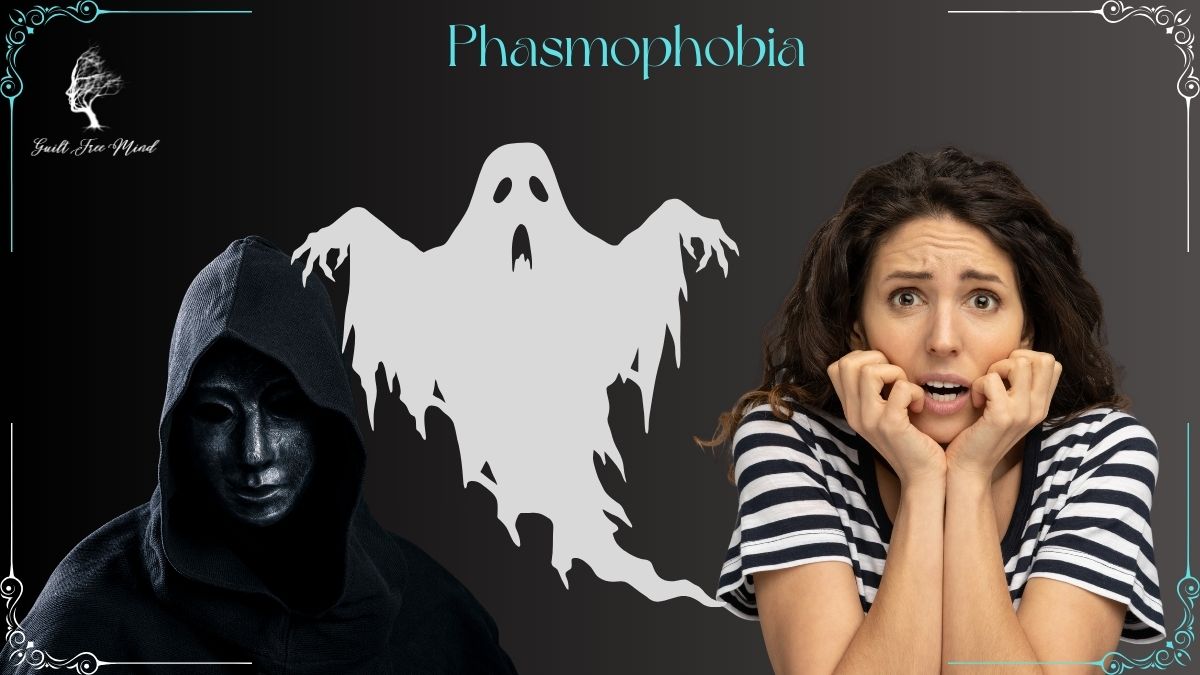
Hey there, if you’re reading this, maybe you’ve felt that chill down your spine at the thought of something unseen lurking in the shadows. Phasmophobia fear of ghosts, isn’t just a buzzword from horror games—it’s a real thing that can turn everyday moments into sources of dread. While “phasmophobia” gained popularity as the title of a cooperative horror video game where players hunt ghosts, this post dives into the psychological aspect: the intense fear of ghosts or supernatural entities.
As someone who’s chatted with countless readers about their deepest fears, I’ve seen how phasmophobia fear of ghosts, can sneak into lives and disrupt peace. In this post, I’ll dive deep into what phasmophobia fear of ghosts, really means, why it happens, and most importantly, practical ways to handle it. Whether it’s keeping you up at night or making you avoid certain places, you’re not alone, and there are steps to take back control.
Table of Contents
Quick Answer Box
What is phasmophobia fear of ghosts? Phasmophobia fear of ghosts is an intense, irrational fear of ghosts or supernatural entities, classified as a specific phobia in the DSM-5. It triggers anxiety, panic, avoidance behaviors, and physical symptoms like rapid heartbeat or sweating.
- Key Symptoms: Heart racing, nausea, insomnia, feeling watched, avoiding dark places.
- Causes: Genetics, childhood experiences, trauma, cultural beliefs, media exposure.
- How to Overcome: Use CBT, exposure therapy, mindfulness, deep breathing; seek professional help if it disrupts life.
- Prevalence: Affects ~9.1% of U.S. adults; more common in women.
- Quick Tip: Start with education—knowing ghosts aren’t proven can reduce fear intensity.
What Is Phasmophobia Fear of Ghosts?
Phasmophobia fear of ghosts is that intense, nagging fear of ghosts or anything supernatural. It’s not just getting spooked by a scary movie—it’s a persistent anxiety that kicks in even when there’s no real threat. Think of it as your brain going into overdrive at the mere mention of spirits, haunted houses, or even creaky floors in the dark. According to experts at Verywell Health, phasmophobia fear of ghosts falls under specific phobias in mental health classifications, where the fear is tied to something particular, like ghosts, and it causes real distress even if you know logically that ghosts might not exist.
To meet the DSM-5 diagnostic criteria for a specific phobia, like phasmophobia fear of ghosts, several conditions must be present: a marked fear or anxiety about a specific object or situation (in this case, ghosts or supernatural phenomena) that is persistent, typically lasting 6 months or more. The phobic object almost always provokes immediate fear or anxiety, which is out of proportion to the actual danger posed. The person actively avoids the situation or endures it with intense fear or anxiety, and this causes clinically significant distress or impairment in social, occupational, or other areas of functioning. Finally, the fear isn’t better explained by another mental disorder.
This fear often starts in childhood, maybe from hearing ghost stories around a campfire or watching a film that hits too close to home. Over time, it can stick around, making simple things like sleeping alone feel impossible. Phasmophobia fear of ghosts isn’t about believing in ghosts per se; it’s the overwhelming reaction that comes with the idea of them. If you’ve ever double-checked under the bed or avoided basements, you might relate.
Phasmophobia Fear of Ghosts at a Glance
Here’s a quick overview of key facts about phasmophobia fear of ghosts:
Definition: An intense, irrational fear of ghosts or supernatural entities, classified as a specific phobia in the DSM-5.
Prevalence: Affects about 9.1% of U.S. adults (over 19 million people), more common in women; often starts in childhood around age 7.
Common Symptoms: Rapid heartbeat, sweating, panic attacks, insomnia, avoidance of dark places, feeling watched.
Causes: Genetics, traumatic events, cultural stories, media influence, or stress.
Treatment Options: CBT, exposure therapy, medications for symptoms, hypnotherapy, or counseling.
Coping Tips: Mindfulness, deep breathing (e.g., 4-7-8 technique), gradual exposure, support networks.
Prognosis: Highly treatable; many see significant improvement in weeks to months with therapy.
When to Seek Help: If it disrupts daily life, sleep, or relationships—contact hotlines like 988 for immediate support.
How Common Is Phasmophobia Fear of Ghosts?
Specific phobias like phasmophobia fear of ghosts, are more widespread than you might think. According to the National Institute of Mental Health (NIMH), specific phobias affect about 9.1% of U.S. adults, or more than 19 million people, with women being twice as likely as men to experience them. The prevalence is even higher among teenagers at 15.1%. In the U.S., around 12.5% of adults experience a specific phobia at some point in their lifetime, with women facing it more often than men, as detailed in Verywell Mind. Phasmophobia fear of ghosts itself, isn’t tracked separately in most studies, but it’s lumped in with other fears of the supernatural or unknown. For instance, research shows that fears tied to magical thinking or cultural beliefs about spirits affect a notable chunk of people, especially those with a history of anxiety.
Globally, specific phobias touch 3-15% of people, with similar patterns in places like India, where cultural tales of spirits can amplify such fears, though rates mirror those worldwide. These numbers come from broad surveys on anxiety disorders, highlighting how phasmophobia fear of ghosts, can hide in plain sight, often going undiagnosed because folks feel embarrassed to talk about it. In the U.S., the Anxiety and Depression Association of America (ADAA) notes that specific phobias typically begin in childhood around age 7, and many sufferers delay seeking help for years.
Phasmophobia Symptoms and Causes in Adults
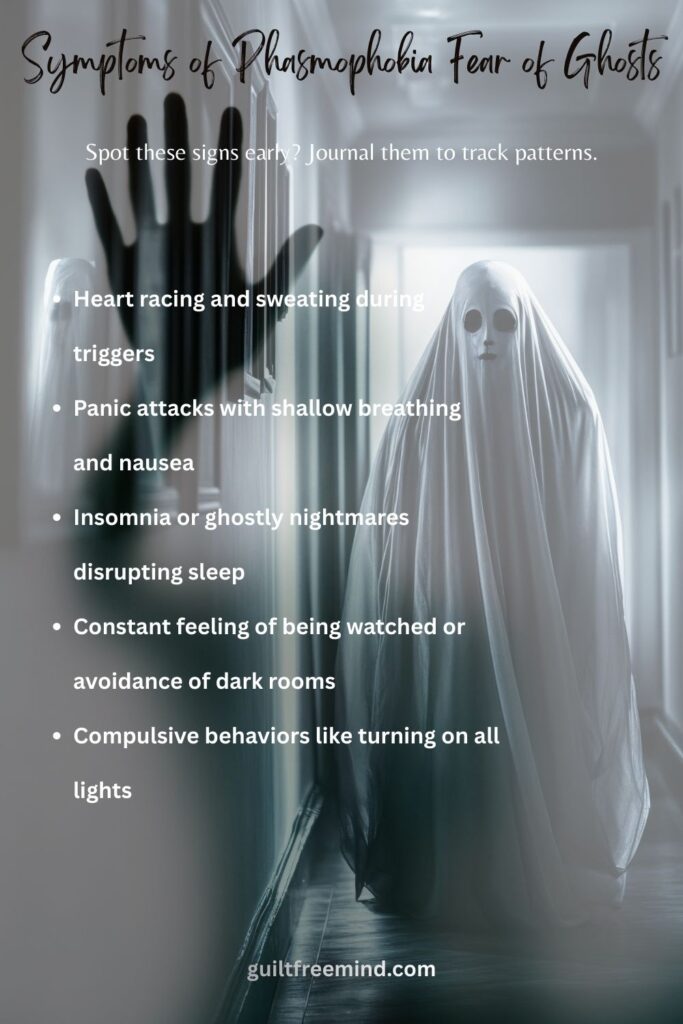
Let’s get real about what phasmophobia fear of ghosts looks like in everyday life, especially for adults. Symptoms aren’t subtle—they hit hard and fast. You might feel your heart racing, sweat breaking out, or a wave of nausea when something triggers the fear.
Common signs
Common signs include panic attacks, where breathing gets shallow, and you feel like doom is imminent. Sleep takes a hit too; insomnia or nightmares about ghostly figures can leave you exhausted during the day. Other symptoms? Avoiding dark rooms, constantly feeling watched, or even compulsive checks like turning on all the lights, as explained on Healthline.
[Infographic placeholder: Symptom timeline for phasmophobia fear of ghosts – Showing onset in childhood, triggers in adulthood, progression to avoidance behaviors, and potential for panic attacks over time]
Causes in adults
As for causes in adults, it’s usually a mix. Genetics play a role—if anxiety runs in your family, you’re more prone. Then there’s the learned stuff: maybe a traumatic event, like losing a loved one suddenly, plants the seed that their spirit might linger. Cultural influences matter too; growing up with stories of vengeful ghosts or religious beliefs in the afterlife can wire your brain to react strongly. Media doesn’t help—horror films or TV shows can reinforce the fear, turning imagination into perceived reality. In adults, stress from life changes, like moving to a new home that feels “off,” can reignite old fears, according to Medical News Today.
Take Sarah, a reader who reached out last year. In her 30s, she started experiencing phasmophobia fear of ghosts after her grandmother passed away in their family home. Every creak at night convinced her the spirit was back, leading to sleepless nights and avoiding the house altogether. It wasn’t until she traced it back to childhood tales her grandma told that she saw the connection.
Phasmophobia vs Paranoia Mental Health
It’s easy to mix up phasmophobia fear of ghosts with paranoia, but they’re not the same beast. Phasmophobia fear of ghosts is a specific phobia zeroed in on ghosts or the supernatural—it’s that targeted dread that flares up around triggers like dark places or spooky stories. You know it’s irrational, but the body reacts anyway.
Paranoia, on the other hand, is broader and often tied to mental health conditions like schizophrenia or delusional disorders. It’s a pervasive suspicion that others—or unseen forces—are out to harm you, without a specific focus on ghosts. For example, someone with paranoia might believe the government is spying on them, while phasmophobia fear of ghosts, sticks to supernatural fears, as outlined on Psych Central.
The key difference? Phasmophobia fear of ghosts doesn’t usually involve delusions; it’s more about anxiety from imagined threats. If paranoia creeps in, it might signal something deeper, like a thought disorder. Always chat with a professional if fears start blurring lines—better safe than spiraling.
Here’s a quick comparison table:
| Aspect | Phasmophobia Fear of Ghosts | Paranoia |
|---|---|---|
| Focus | Specific to ghosts/supernatural | Broad suspicion of harm from people or forces |
| Nature | Anxiety-based, irrational fear | Delusional beliefs, often persistent |
| Triggers | Dark places, spooky stories | Everyday situations, perceived threats |
| DSM-5 Category | Specific Phobia | Often part of psychotic disorders |
| Recognition | Person often knows it’s irrational | May not recognize as unfounded |
| Impact | Avoidance of triggers | Social withdrawal, mistrust |
[Video placeholder: A short clip explaining the brain’s fear response in simple terms, animated for easy understanding]
Living with Phasmophobia Fear of Ghosts
Picture this: Mike, a busy dad in his 40s, loves his old Victorian house but dreads bedtime. Every shadow in the hallway triggers phasmophobia fear of ghosts, reminding him of a childhood scare at a “haunted” amusement park. He ends up sleeping with the TV on, which messes with his rest and makes him irritable at work. Or consider Lisa, who skipped a friend’s Halloween party because the costumes stirred up old fears from watching too many ghost hunter shows as a teen. These aren’t made-up; they’re stories from readers who’ve shared how phasmophobia fear of ghosts, sneaks into social life, travel, or even relationships.
In another case, a woman named Jen avoided visiting her parents’ rural home after dark, convinced spirits roamed the woods nearby—a fear rooted in local legends she heard growing up. These scenarios show phasmophobia fear of ghosts isn’t just “being scared”; it reshapes routines, leading to isolation or exhaustion. But the good news? Recognizing it in your own life is the first step to change.
What are the experts saying?
As licensed clinical psychologist Kevin Chapman puts it, “Phasmophobia is a ‘persistent fear cued by the anticipation or presence of objects symbolic of ghosts or supernatural phenomena,'” from USA Today.
Ricardo de Oliveira-Souza, MD, in his research, describes phasmophobia as causing a “vivid impression that an immaterial being not perceivable by the ordinary senses was hovering around,” highlighting its impact on daily living, via PMC.
Hypnotherapist Cinda Roffman explains, “Phobias like phasmophobia are often tied to specific traumatic events or early experiences,” emphasizing the need for understanding root causes to overcome them, on her blog.
As noted in expert insights, “Nightmares of witchcraft and allied supernatural themes are common,” underscoring the sleep disruptions tied to this fear, also from PMC.
Treatment Options for Phasmophobia Anxiety
When phasmophobia anxiety ramps up, treatment can make a world of difference. The go-to is cognitive behavioral therapy (CBT), where you work with a therapist to unpack those fear-triggering thoughts and replace them with rational ones. For example, challenging the idea that a noise means a ghost is present, as suggested on WikiHow.
Exposure therapy is another powerhouse—starting small, like watching a mild ghost cartoon, and building up to tougher scenarios, all while learning relaxation tricks like deep breathing. It helps your brain learn that the fear doesn’t match reality.
Medications? Sometimes short-term anti-anxiety meds or antidepressants ease the physical symptoms, especially if sleep is wrecked. But they’re not a solo fix; combine with therapy for best results. Online therapy options are handy too, letting you tackle phasmophobia fear of ghosts, from home. Hypnotherapy, as some sources suggest, can reframe deep-seated fears through guided relaxation, per Lybrate.
Remember, treatment isn’t one-size-fits-all. If religious beliefs tie into your phasmophobia, fear of ghosts, counseling from a faith leader might blend in well, according to DoveMed.
How to Overcome Phasmophobia Fear of Ghosts
Overcoming phasmophobia fear of ghosts takes patience, but it’s doable with consistent effort. Start by educating yourself—read up on the science behind fears to demystify ghosts. No proof they exist? That knowledge alone can dial down the intensity.
Build a toolkit: Practice mindfulness daily to stay grounded when thoughts wander to the supernatural. Apps for guided meditation can help. Gradual exposure works wonders—begin with friendly ghost tales, like Casper, and progress to scarier stuff in a safe space.
Humor helps too. Laugh at the absurdity; watch parody films that poke fun at ghosts. And don’t go it alone—talk to friends or join online forums where others share triumphs over phasmophobia fear of ghosts, as discussed on Horror Press.
One of my readers, Tom overcame his by journaling triggers and responses, spotting patterns tied to stress. Over months, he slept without lights on for the first time in years.
Pin this article for later:
Coping with Phasmophobia
Day-to-day coping with phasmophobia fear of ghosts means practical habits that keep anxiety at bay.
- Create a bedtime routine: Dim lights gradually, play soothing sounds, or use essential oils like lavender for calm.
- Distraction is your friend—dive into hobbies when fears bubble up, like reading non-spooky books or exercising. Physical activity releases endorphins that combat anxiety.
- Support networks matter. Share with trusted folks; sometimes just voicing it reduces the power. If alone at night, call a friend or use apps for virtual company.
- For quick relief, try the 4-7-8 breathing: Inhale for 4, hold for 7, exhale for 8. It resets your nervous system fast.
I’ve included a simple printable checklist below for coping strategies—print it out and stick it on your fridge as a reminder. The checklist covers key steps like identifying triggers, practicing relaxation, building exposure plans, and tracking progress.
Phasmophobia Fear of Ghosts vs. Related Phobias
Phasmophobia fear of ghosts shares traits with other specific phobias, but key differences set it apart. For instance, thanatophobia is the fear of death or dying, often tied to mortality rather than supernatural entities.
Here’s a comparison table:
| Aspect | Phasmophobia Fear of Ghosts | Thanatophobia (Fear of Death) |
|---|---|---|
| Focus | Ghosts and supernatural beings | Death, dying, or the unknown after death |
| Triggers | Dark places, haunted stories, creaks | Illness, aging, funerals, thoughts of mortality |
| Emotional Response | Panic from perceived presence | Existential dread, anxiety about end of life |
| Common Causes | Childhood stories, media, trauma | Health scares, loss of loved ones, philosophical fears |
| Treatment Overlap | CBT, exposure therapy | Similar, plus existential therapy |
| Impact | Avoidance of “haunted” areas | Hypochondria, avoidance of risks |
Understanding these distinctions can help pinpoint your fear and tailor approaches.
Prevention and Prognosis
Preventing phasmophobia fear of ghosts often starts early, but it’s never too late to build habits that keep it at bay. For kids, skip heavy horror exposure and frame ghost stories as fun fiction—turn them into silly games instead of scary tales. Building resilience through open talks about fears helps normalize emotions and reduces the chance of them escalating. Encourage critical thinking about media; discuss how movies use special effects to create illusions, demystifying the supernatural from a young age. If family history shows anxiety patterns, early counseling can teach coping skills before fears take root.
For adults
For adults, prevention ties into lifestyle choices. Manage overall stress with regular exercise, balanced nutrition, and solid sleep hygiene—these buffer against anxiety spikes that might amplify phasmophobia fear of ghosts. Avoid binge-watching horror content during vulnerable times, like when grieving or under pressure. Cultural awareness plays a part; if beliefs in spirits are strong, integrate positive rituals that empower rather than frighten. Research suggests addressing related fears, like fear of the dark, early on can prevent phasmophobia fear of ghosts, from developing as a secondary issue, as explored in this PMC article.
Prognosis
If it develops, the prognosis is positive. With treatment, most folks see big improvements. Studies show CBT and exposure can cut symptoms by half in weeks to months, leading to better sleep and daily function. For instance, in cases reviewed, patients treated with therapy and meds reported dramatic reductions in fear, allowing them to sleep alone and engage socially without dread. Long-term, commitment to ongoing practices like mindfulness keeps recurrence low. Untreated, it might lead to broader anxiety or sleep issues, but early action nips that. Overall, with the right approach, phasmophobia fear of ghosts can shift from a dominant force to a manageable memory, restoring quality of life.
Seek Help: Resources and Hotlines
If phasmophobia fear of ghosts is impacting your daily life, reaching out for support is a smart move. Here are some trusted U.S.-based hotlines and resources for immediate help with anxiety and phobias:
- 988 Suicide & Crisis Lifeline: Call or text 988 for 24/7 confidential support on mental health crises, including anxiety and fears.
- NAMI HelpLine: Call 1-800-950-6264 (Monday-Friday, 10 a.m.-10 p.m. ET) for information, referrals, and peer support on mental health conditions.
- Crisis Text Line: Text HOME to 741741 for 24/7 free, confidential crisis counseling via text.
- Mental Health Hotline: Call 866-903-3787 for 24/7 support on anxiety, depression, or any mental health concern.
- Anxiety and Depression Association of America (ADAA): Visit adaa.org to find therapists, support groups, and resources tailored to anxiety disorders and phobias—no direct hotline, but a great starting point for professional help.

These lines connect you to trained professionals who can guide you toward the right next steps. Don’t hesitate—help is just a call or text away.
Exploring Guilt Free Mind Categories
Guilt Free Mind is your trusted resource for mental health support, offering six core categories packed with practical tools to help you thrive—mentally, emotionally, and physically. Whether you’re facing phasmophobia fear of ghosts, working through exposure steps, or simply building everyday calm, each hub is designed to support your growth holistically:
🧘♀️ Self-Care and Wellness: This hub focuses on daily practices that nurture your mind-body connection. From mindful routines to nervous system support, it’s your space to recharge and restore balance.
🧠 Understanding Personality Disorders: Dive deep into emotional patterns and mental health conditions with science-backed insights that help you better understand yourself and others.
🎨 Creative Healing and Therapy: Explore healing through creative expression—be it art, journaling, or music—and discover how engaging your imagination can support emotional recovery.
💡 Mindful Productivity and Focus: Learn how to stay mentally sharp, reduce overwhelm, and manage distractions with mindfulness-based techniques that boost clarity and intentionality.
💪 Emotional Recovery and Resilience: Build the strength to bounce back from emotional setbacks. This hub offers tools for processing trauma, regaining control, and cultivating inner stability.
😌 Stress, Anxiety, and Depression Toolkit: Find practical strategies for managing anxiety, reducing stress, and addressing low mood. Grounded in research and compassionate care, this hub supports your journey to peace and emotional balance—especially helpful when dealing with phasmophobia fear of ghosts.
Each of these categories connects directly with the calming strategies shared in this post, making your journey toward fear-free nights smoother, supported, and truly guilt-free.
Ready to Banish Those Ghosts? Let’s Connect!
If phasmophobia fear of ghosts has you feeling stuck, don’t wait—take that first step today. Dive into the strategies here, or reach out for personalized advice. Subscribe to Guilt Free Mind for more tips straight to your inbox, and check out my YouTube channel, Guilt Free Mind, for videos on conquering fears with real-talk demos. Imagine waking up refreshed, no more night checks—it’s possible, and I’m here to cheer you on. What’s your next move?
Reader Poll: What’s your biggest trigger for phasmophobia fear of ghosts? Share in the comments below!
- Dark rooms or spaces
- Spooky stories or movies
- Creaky sounds at night
- Reminders of death or loss
- Feeling watched
- Other
Share your dear in the comments. It will help others with similar fears feel less alone.
Frequently Asked Questions (FAQs)
Triggers vary but often include dark spaces, supernatural media, or reminders of death. Even words like “ghost” can spark it, especially if tied to past experiences. Managing them involves identifying patterns and using coping techniques like distraction or breathing.
Yes, kids might show it through tantrums, clinging, or refusing to sleep alone, while adults face more internalized anxiety like insomnia or avoidance. Early intervention with gentle exposure and support prevents it from lingering into adulthood.
Absolutely—it can coexist with general anxiety, depression, or even OCD-like rituals. If phasmophobia fear of ghosts worsens other symptoms, a full mental health check ensures all aspects are addressed.
It depends on severity, but many see relief in 8-12 sessions of CBT or exposure therapy. Medications might help faster for symptoms, but combining approaches leads to lasting change.
For mild cases, yes—exercise, sleep hygiene, and mindfulness can help. But if it disrupts life, professional input ensures comprehensive care, preventing reliance on avoidance.
Yes, it’s recognized as a specific phobia in the DSM-5, involving intense, irrational fear of ghosts that causes significant distress or impairment, even if you know it’s not logical.
Fear of the dark (nyctophobia) is about darkness itself triggering anxiety, while phasmophobia fear of ghosts focuses on the supernatural lurking in it—though they often overlap, the core dread is ghosts, not just absence of light.
Culture shapes it through stories, beliefs, and rituals about spirits—stronger in societies with folklore about ghosts, it can amplify fears, but positive cultural practices can also aid coping.
About the Author
Dr. Shruti Bhattacharya is the founder and heart of Guilt Free Mind, where she combines a Ph.D. in Immunology with advanced psychology training to deliver science-backed mental health strategies. Her mission is to empower readers to overcome stress, anxiety, and emotional challenges with practical, evidence-based tools. Dr. Bhattacharya’s unique blend of expertise and empathy shapes her approach to wellness:
- Academic & Scientific Rigor – Holding a Ph.D. in Immunology and a Bachelor’s degree in Microbiology, Dr. Bhattacharya brings a deep understanding of the biological foundations of mental health, including the gut-brain connection. Her completion of psychology courses, such as The Psychology of Emotions: An Introduction to Embodied Cognition, enhances her ability to bridge science and emotional well-being.
- Dedicated Mental Health Advocacy – With over 15 years of experience, Dr. Bhattacharya has supported hundreds of individuals through online platforms and personal guidance, helping them navigate mental health challenges with actionable strategies. Her work has empowered readers to adopt holistic practices, from mindfulness to nutrition, for lasting resilience.
- Empathetic Connection to Readers – Known for her compassionate and relatable voice, Dr. Bhattacharya is a trusted guide in mental health, turning complex research into accessible advice. Her personal journey as a trauma survivor fuels her commitment to helping others find calm and confidence.
- Lifelong Commitment to Wellness – Dr. Bhattacharya lives the principles she shares, integrating science-based habits like balanced nutrition and stress management into her daily life. Her personal exploration of mental health strategies inspires Guilt Free Mind’s practical, reader-focused content.
🏆 Guilt Free Mind was named one of the Top 100 Mental Health Blogs on Feedspot in 2025.

Follow me on:
Disclaimer: This content is for informational purposes only and is not a substitute for professional medical advice.
References
- Verywell Health. (2025). What Is Phasmophobia (Fear of Ghosts) and How to Cope?
- Healthline. (2019). All About Phasmophobia, or Fear of Ghosts
- WikiHow. (2025). How to Stop Being Afraid of Ghosts.
- Medical News Today. (n.d.). Phasmophobia: Symptoms, Causes, and Treatment.
- Roffman, C. (2024). Fun with Phasmophobia: Understanding and Overcoming the Fear of Ghosts.
- Verywell Mind. (2025).What Is Phasmophobia?
- Psych Central. (2023). Phasmophobia: Coping with the Fear of Ghosts
- USA Today. (2025). What is Phasmophobia?
- Lybrate. (n.d.). Phasmophobia (Fear Of Ghosts): Causes, Symptoms, Complications, And Treatment
- de Oliveira-Souza, R. (2018). Phobia of the Supernatural: A Distinct but Poorly Recognized Specific Phobia. PMC.
- Specific Phobia. (2022). Laying ghosts to rest. PMC
- Horror Press. (n.d.). Phasmophobia: It Knows What Scares You.
- DoveMed. (2023). Phasmophobia.
